Banking Premium Guides
There comes a stage in banking preparation where effort alone slowly stops producing proportional results. An aspirant may already be studying regularly, practicing quantitative aptitude daily, solving reasoning sets continuously, revising formulas repeatedly, and giving mock tests with discipline, yet despite all this activity, scores remain unstable, accuracy fluctuates under pressure, speed improvement becomes inconsistent, and confidence begins to weaken gradually over time. At first, this phase is usually misunderstood as lack of capability, lack of intelligence, or insufficient hard work. In reality, however, the problem is rarely effort itself. The problem is structural inefficiency. Banking preparation is not simply about studying more—it is about building a system capable of converting preparation into controlled examination performance under strict time pressure.
Most banking aspirants unknowingly remain trapped inside fragmented preparation cycles. They study subjects independently without connecting them into a larger execution structure. They consume resources continuously without optimizing retention. They practice questions without building analysis systems. They create study plans that collapse after a few days because execution frameworks are weak. They attempt mocks repeatedly without understanding why the same mistakes continue. Over time, preparation becomes reactive instead of strategic. Effort continues, but progress becomes unpredictable. Months pass in repeated cycles of studying, restarting, adjusting, and re-planning without establishing stable competitive momentum.
Banking examinations are fundamentally performance-oriented systems. Unlike preparation environments where theoretical depth alone determines success, banking exams reward speed, precision, decision-making, execution efficiency, and the ability to maintain accuracy under intense time constraints. This creates a completely different preparation requirement. Success is not determined only by what you know, but by how efficiently you can apply it inside real exam conditions. Even highly knowledgeable aspirants often underperform because preparation remains scattered rather than operationally structured. This is precisely the gap the Banking Premium Guides ecosystem has been designed to solve.
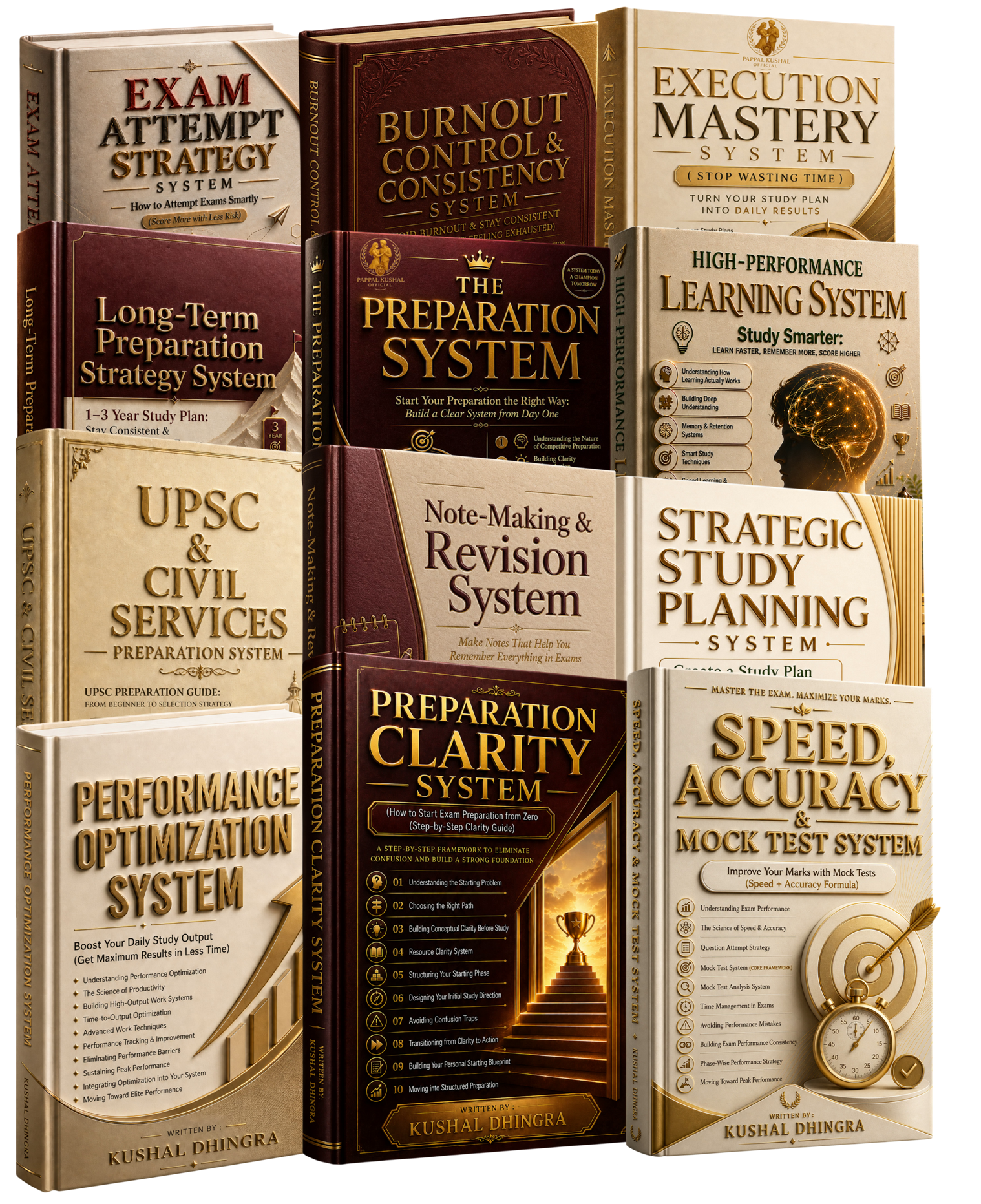
The Banking Premium Guides ecosystem is not designed as a collection of ordinary informational books. It is a structured execution architecture where each system addresses a specific failure point commonly seen in banking preparation. Every framework is interconnected, ensuring that planning, learning, revision, practice, performance optimization, execution control, and long-term consistency operate together instead of independently. When preparation functions without integration, inefficiency increases silently. When preparation functions through systems, effort becomes measurable, stable, and performance-oriented.
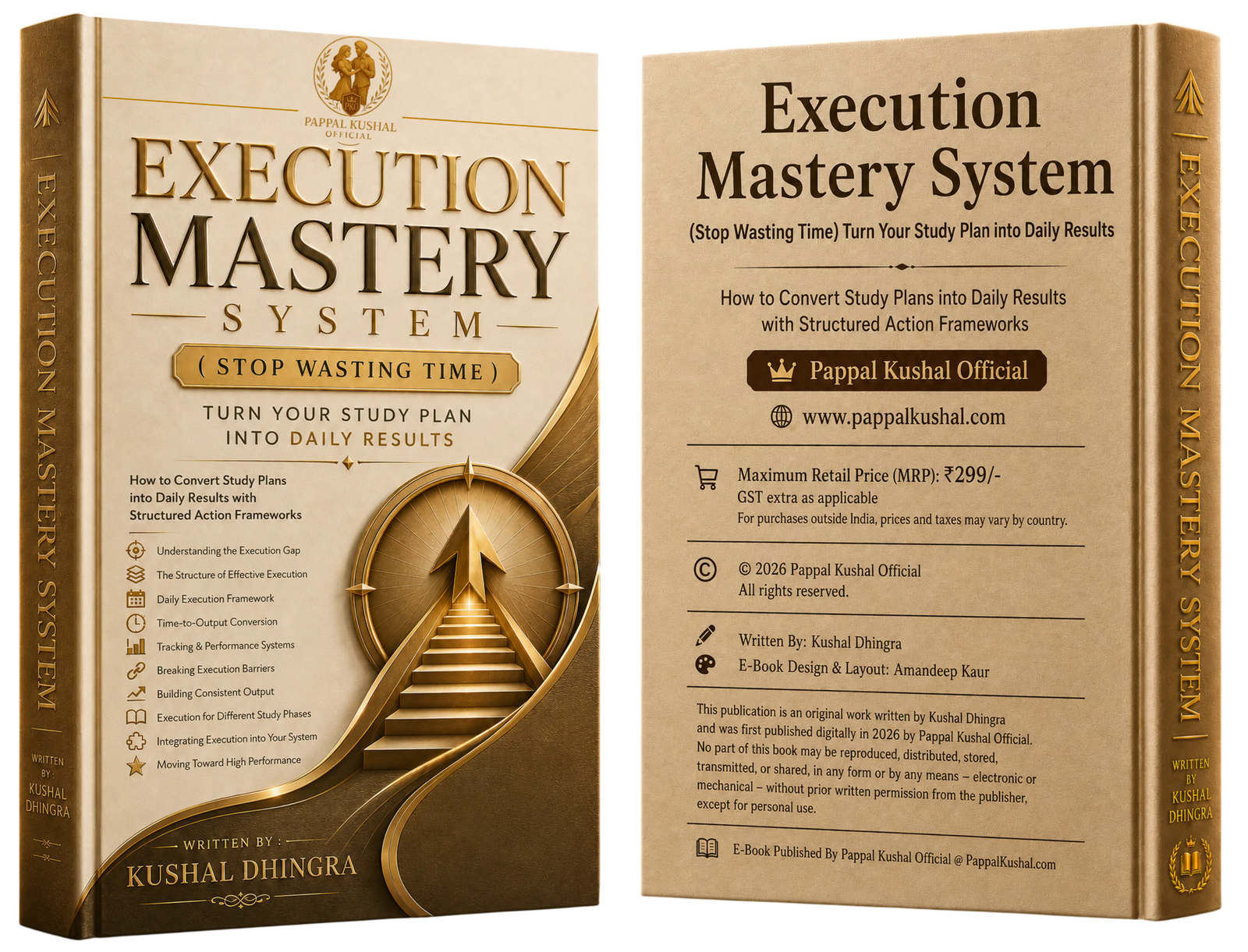
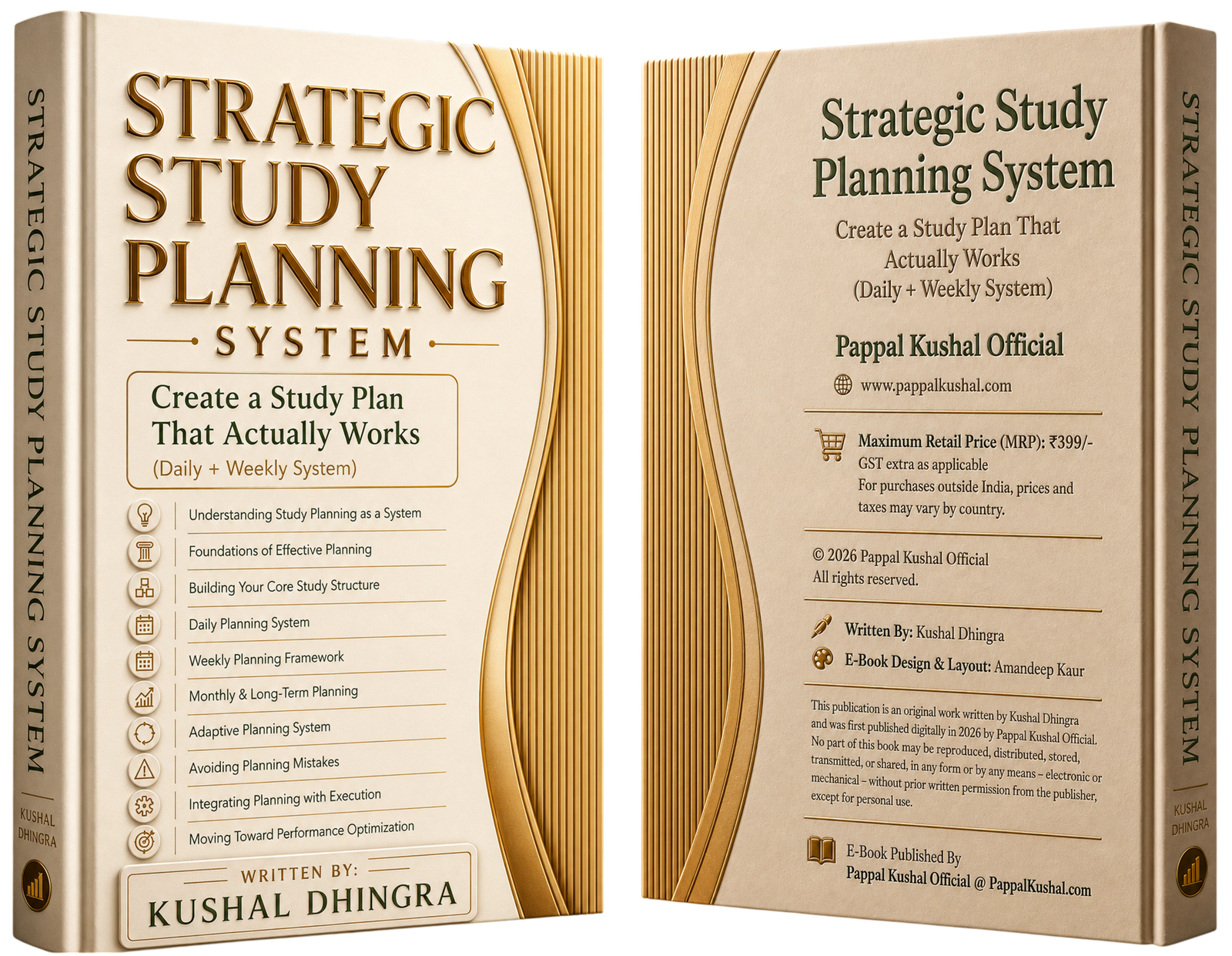
The Preparation System establishes the foundational structure required to transform scattered banking preparation into a defined operational framework where every stage has clarity and purpose. Execution Mastery System addresses one of the biggest breakdown points in banking preparation—the inability to consistently convert planning into measurable daily output. Strategic Study Planning System then organizes syllabus coverage, subject rotation, practice cycles, revision structures, and mock integration into a realistic and executable preparation system that remains sustainable over long preparation periods.
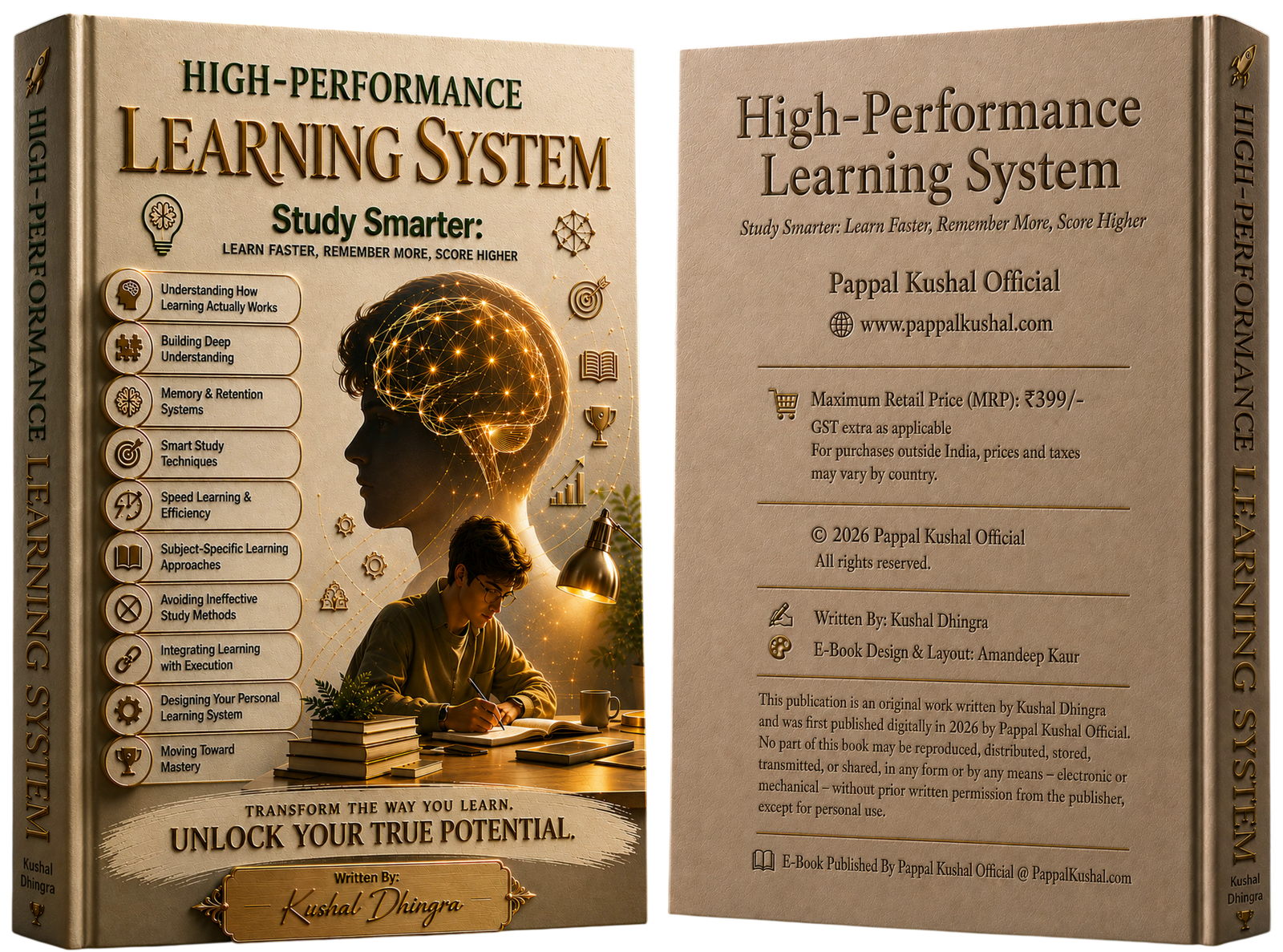
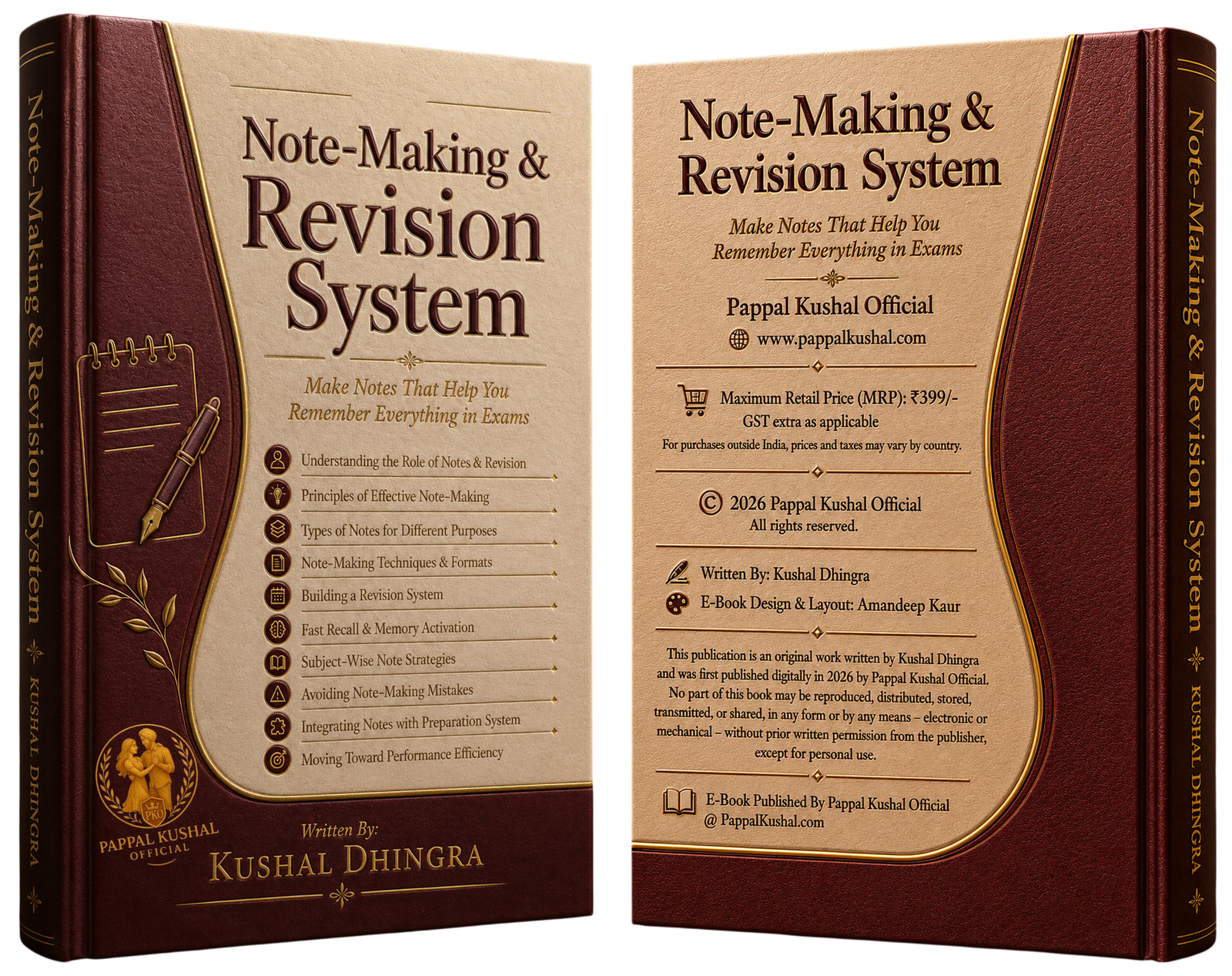
High-Performance Learning System improves the quality and efficiency of learning itself, helping aspirants process concepts faster, retain information longer, and strengthen conceptual understanding without wasting unnecessary time on ineffective study methods. Note-Making & Revision System further compresses learning into structured recall systems specifically useful for banking environments where formulas, shortcuts, reasoning patterns, vocabulary retention, and quick revision become extremely important for speed-based performance.
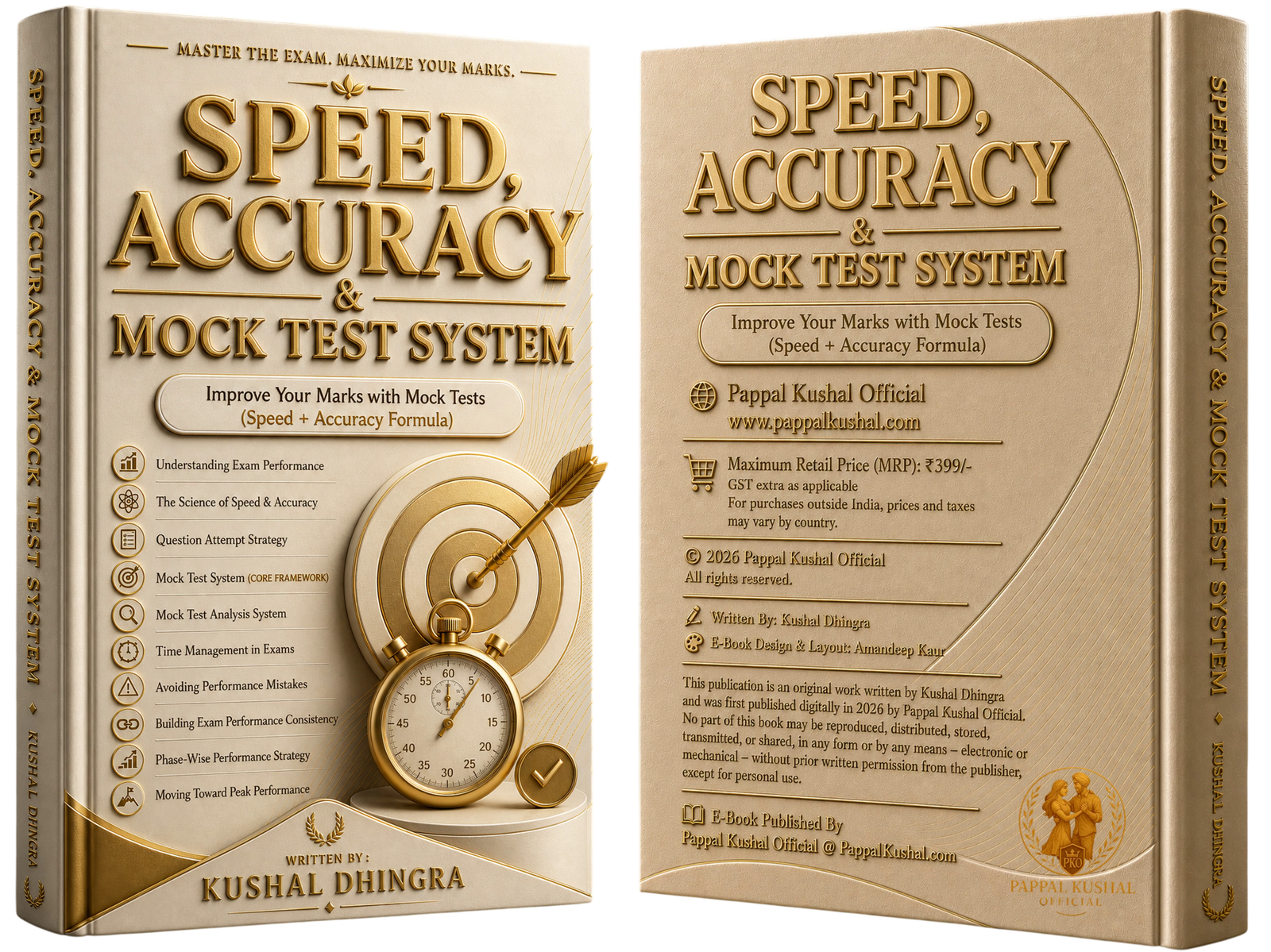
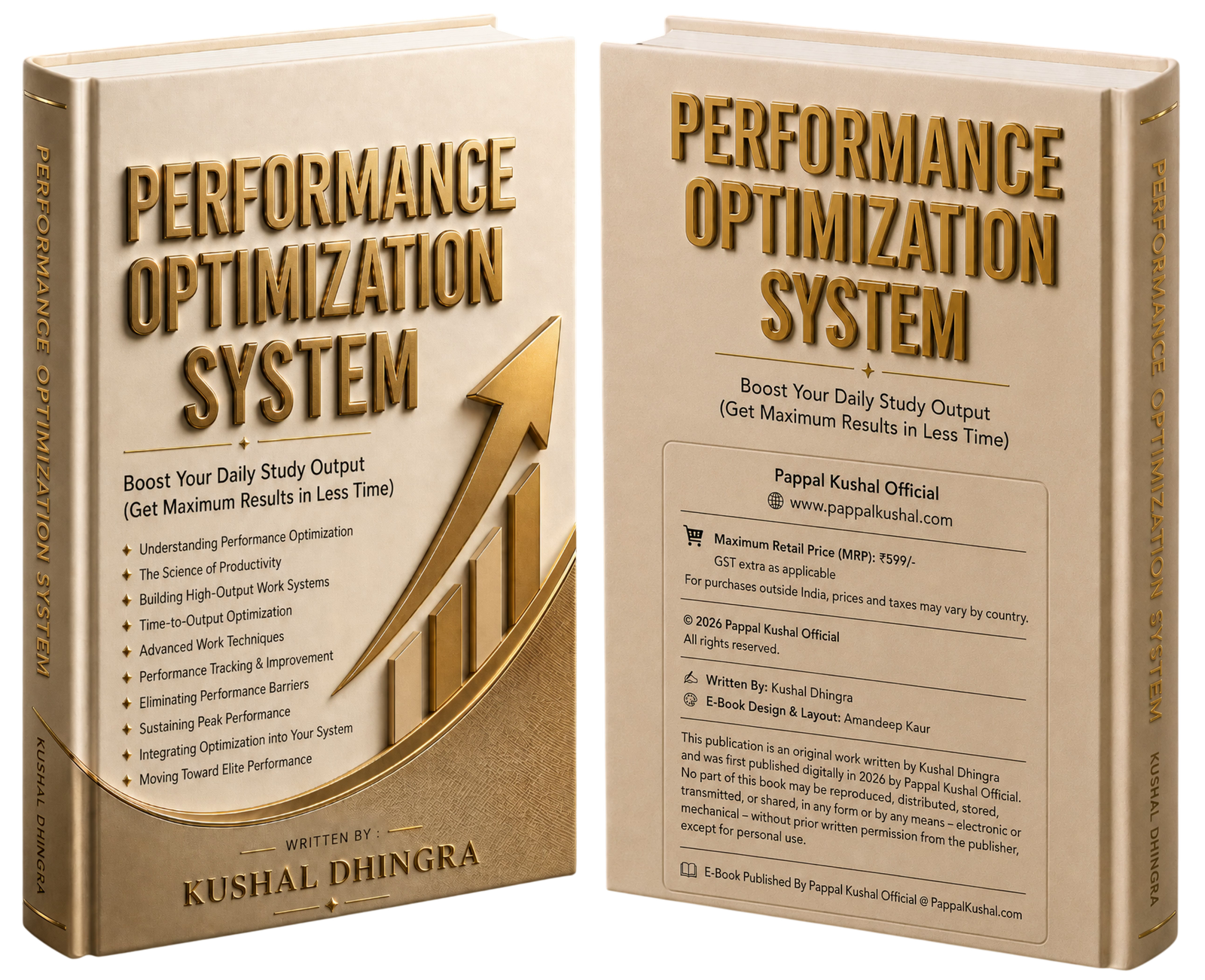
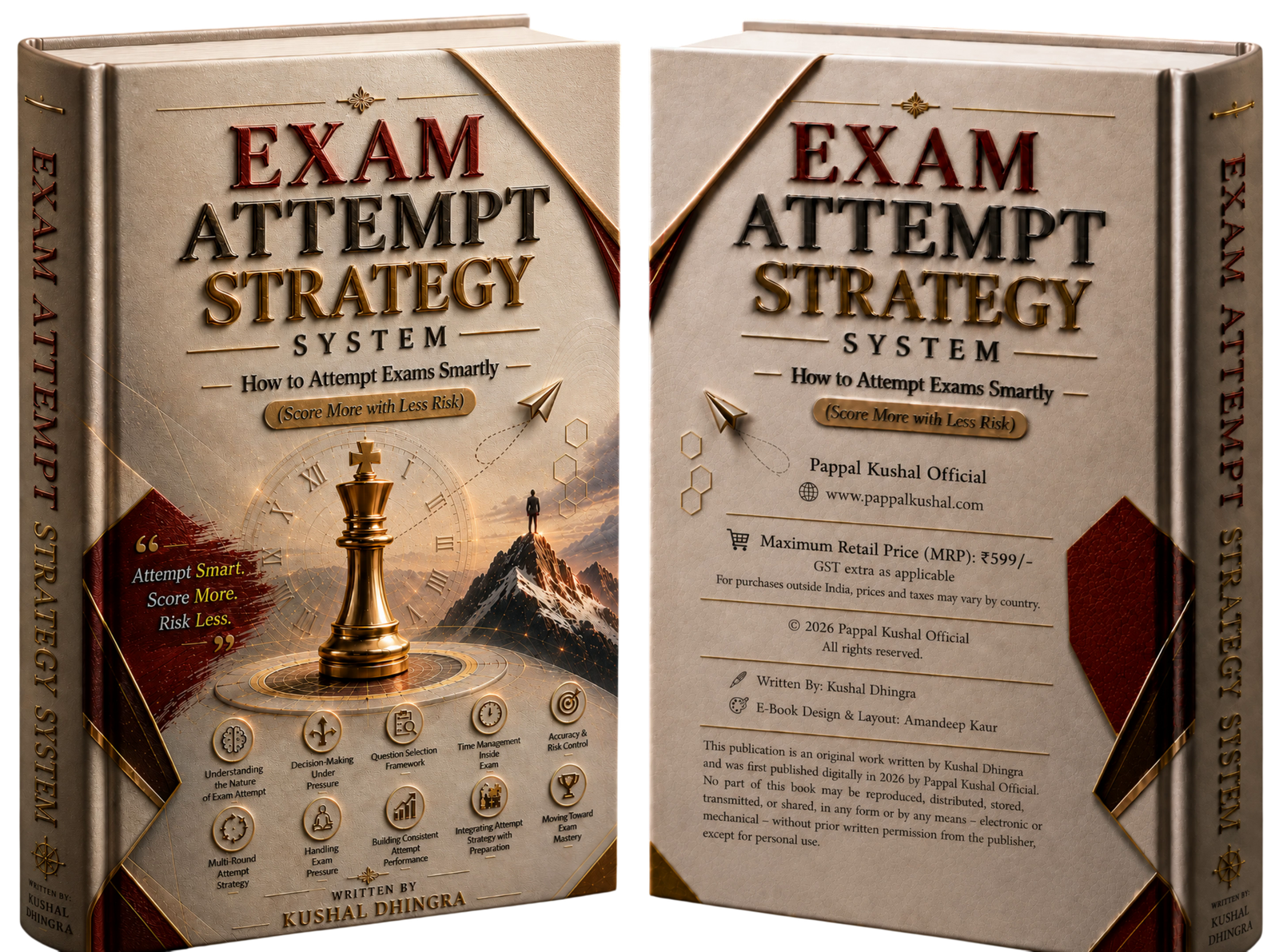
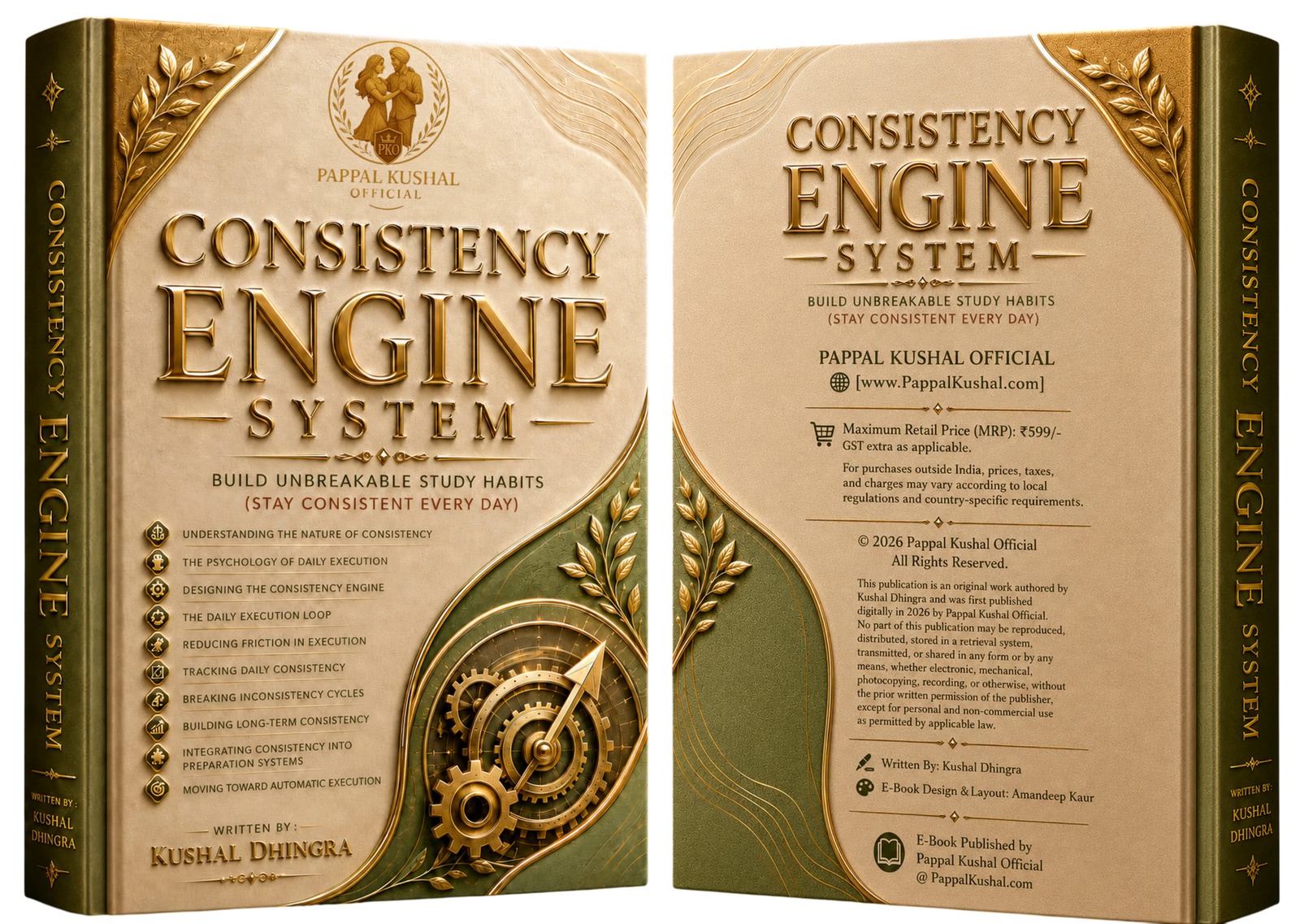
Speed, Accuracy & Mock Test System directly targets the core operational demands of banking examinations by helping aspirants improve solving speed, reduce calculation errors, manage negative marking intelligently, optimize sectional performance, and convert mock tests into measurable score improvement systems rather than repetitive practice activities. Performance Optimization System strengthens daily productivity and study efficiency, ensuring that preparation output increases without creating mental exhaustion or burnout. Exam Attempt Strategy System develops tactical control during real examination conditions by refining question selection strategy, time allocation methods, risk management decisions, and performance stability under pressure. Consistency Engine System then transforms irregular effort into stable daily execution systems capable of sustaining preparation continuity without repeated restart cycles.
Each of these systems has been designed to solve a specific performance failure point that repeatedly appears in banking preparation. Some aspirants struggle with planning. Others struggle with execution. Some fail due to weak revision systems, while others fail because they cannot maintain speed and accuracy under timed conditions. Many lose consistency after initial motivation fades. These systems isolate each operational weakness and convert it into a structured framework that can be implemented practically in real preparation environments. When used individually, these systems provide clarity in isolated areas. When integrated together, they transform preparation into a complete performance-oriented banking ecosystem.
Those who recognize this structural gap early usually avoid months of repeated mistakes, unstable scores, repeated restart cycles, and unnecessary preparation inefficiencies. The complete structured Banking Preparation Framework can be accessed here →
This Banking Preparation Framework has been designed specifically for aspirants who no longer want to rely on scattered preparation methods, unstable routines, motivational dependency, or random strategy experimentation. It is for individuals who understand that competitive success is built through controlled execution systems sustained consistently over time.
The value of this system is not measured by the amount of information it contains, but by the operational transformation it creates. The goal is not to make preparation feel more intense. The goal is to make preparation more precise, more stable, and more performance-oriented.
The real risk at this stage is not investing in structure. The real risk is continuing without one.
Most aspirants delay this transition, believing that more effort alone will eventually solve the problem. In reality, this delay is where maximum time, confidence, and competitive momentum are silently lost.