



Most aspirants begin preparation with ambition but without structure. This system establishes the complete foundation of serious competitive preparation by helping aspirants understand how preparation actually functions beyond motivation, random study sessions, or scattered effort. It converts confusion into a defined framework where planning, execution, learning, revision, and performance begin operating together as one coordinated preparation system rather than disconnected activities.



How to Convert Study Plans into Daily Results with Structured Action Frameworks
One of the biggest hidden problems in IFS preparation is not lack of planning, but failure of execution. Aspirants create schedules, collect resources, and design strategies, yet daily output remains inconsistent. This system bridges the gap between planning and measurable action by creating structured execution models that transform intention into real daily progress. It eliminates overthinking, incomplete work cycles, low-output study behavior, and unproductive preparation patterns.
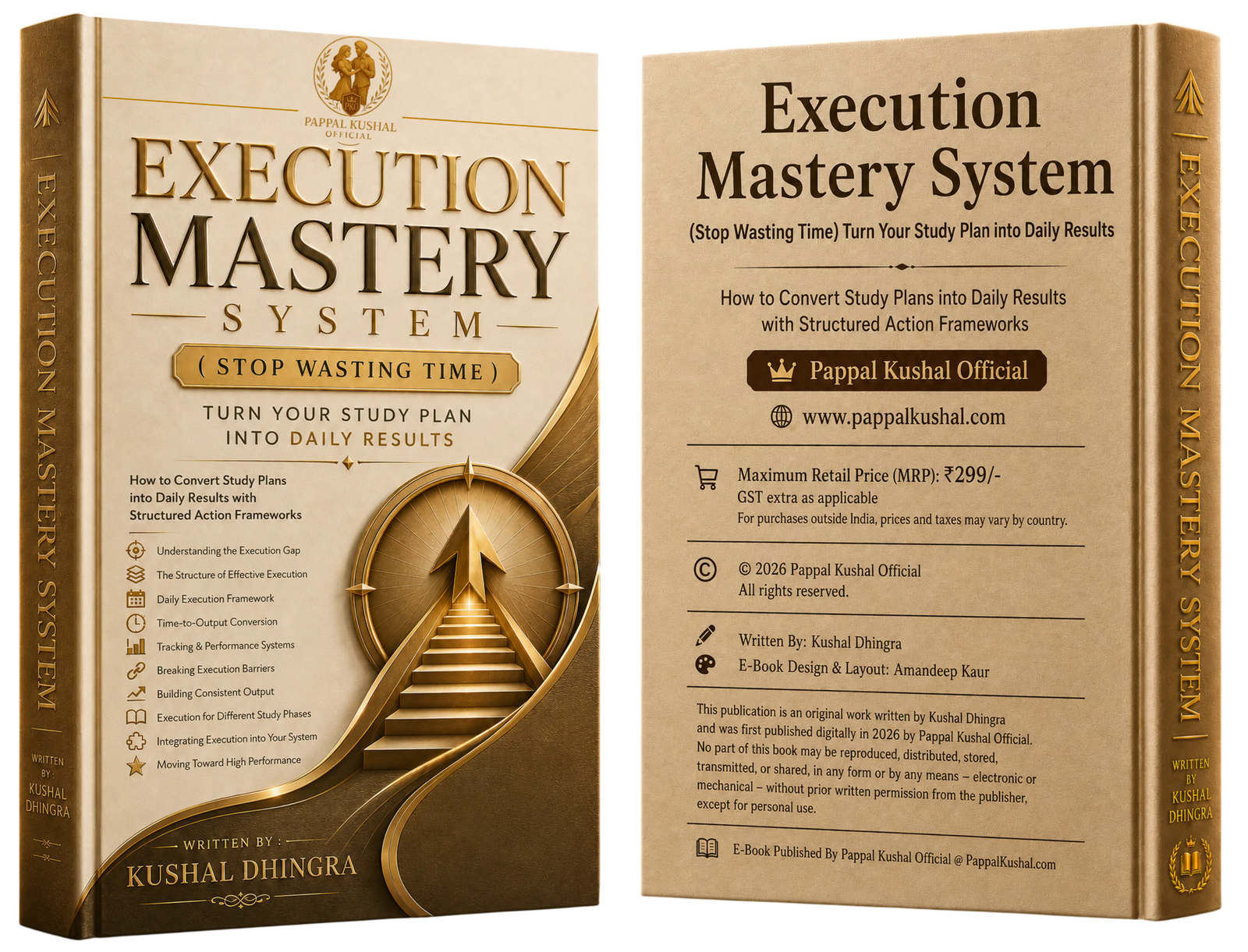
A Step-by-Step Framework to Eliminate Confusion and Build a Strong Foundation
IFS preparation becomes extremely inefficient when aspirants begin without conceptual clarity about syllabus depth, preparation phases, subject integration, or examination demands. This system removes beginner confusion and transforms scattered preparation into a clear starting architecture where every subject, resource, and preparation phase operates with defined direction and purpose.

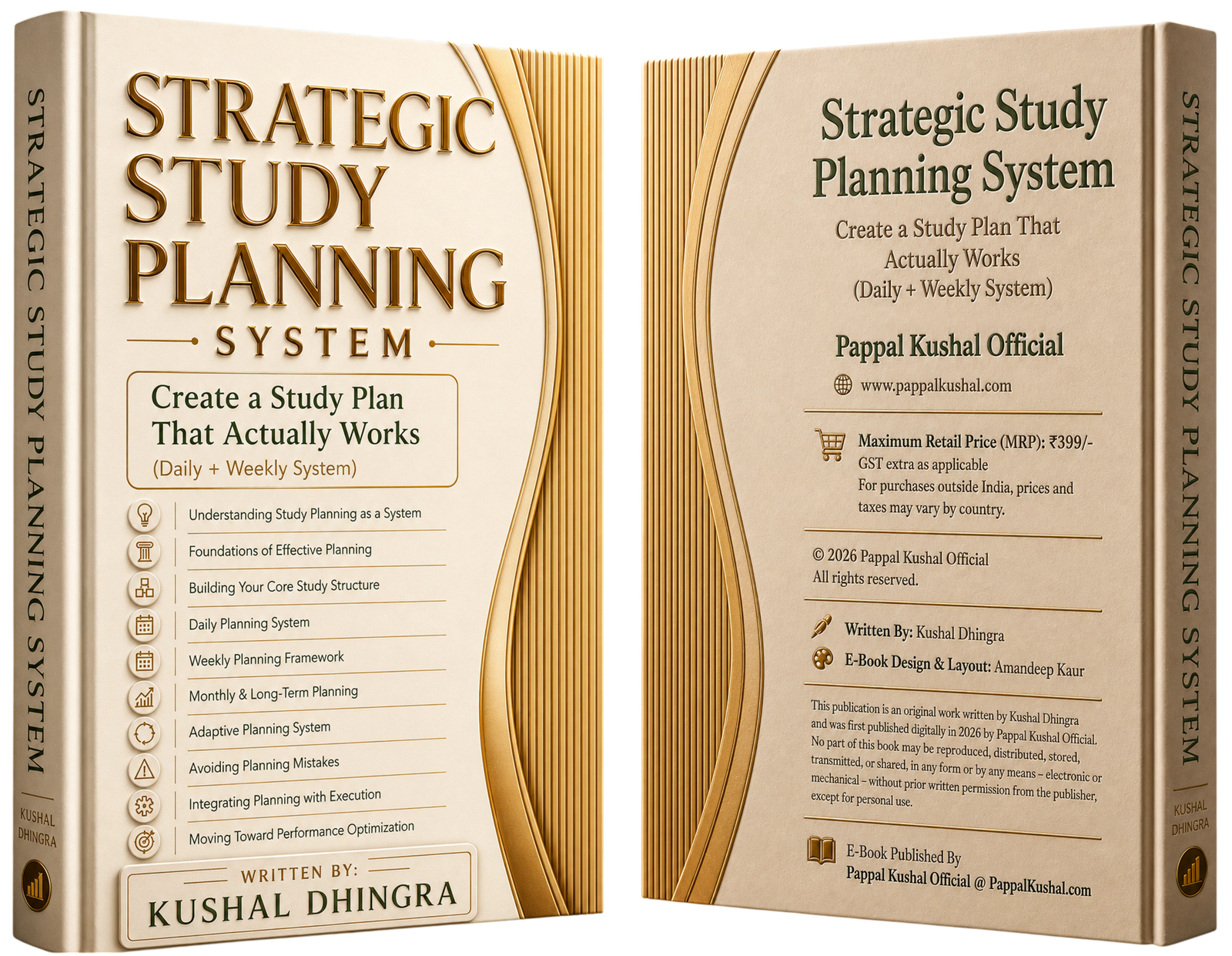
IFS preparation cannot survive on rigid timetables copied from others. The syllabus is too vast, preparation cycles are too long, and international affairs remain constantly dynamic. This system teaches aspirants how to create realistic, adaptive, and performance-oriented study structures that distribute effort intelligently across daily, weekly, monthly, and long-term preparation phases without creating overload or inconsistency.
IFS preparation rewards deep understanding and analytical processing, not passive memorization. This system transforms how aspirants learn by improving conceptual understanding, retention strength, recall efficiency, learning speed, and intellectual processing ability. It teaches how to study international affairs, polity, economics, ethics, and analytical subjects in a way that produces deeper understanding and stronger answer quality rather than surface-level familiarity.

One of the largest failures in long-duration UPSC and IFS preparation is revision collapse. Aspirants study enormous volumes of information but fail to retain and retrieve it effectively during Mains or Interview stages. This system develops structured note-making frameworks, layered revision cycles, recall systems, and information compression techniques that convert scattered knowledge into organized, retrievable, exam-oriented intellectual assets.

IFS preparation does not succeed through knowledge alone. Performance under examination pressure determines actual outcomes. This system develops advanced mock-test frameworks, analytical performance tracking systems, speed-control techniques, error analysis structures, time management strategies, and score optimization methods that improve actual exam performance rather than just preparation comfort.

IFS preparation often extends across years, and many aspirants collapse not because they lack capability, but because they fail to sustain mental balance over long durations. This system creates sustainable preparation models that prevent exhaustion, emotional instability, motivational crashes, inconsistency cycles, and long-term mental fatigue while maintaining steady progress across extended preparation timelines.

This system acts as the central examination-specific strategic framework for Civil Services preparation. It integrates Prelims strategy, Mains answer writing, optional subject structuring, current affairs integration, analytical development, Interview preparation, and long-term UPSC execution architecture into one coordinated preparation model specifically aligned with the nature of high-level civil services examinations.

IFS preparation requires intellectual efficiency, not just long study hours. This advanced system optimizes productivity, concentration, deep work ability, energy management, cognitive efficiency, and output quality. It eliminates low-value preparation behaviors and increases the amount of measurable progress produced from each study session.

Many aspirants fail not because they lack preparation, but because they lose control inside the examination hall itself. This system teaches decision-making under pressure, question selection strategy, negative-marking control, intelligent skipping systems, layered answering frameworks, and time-management structures that maximize marks while minimizing unnecessary risk.

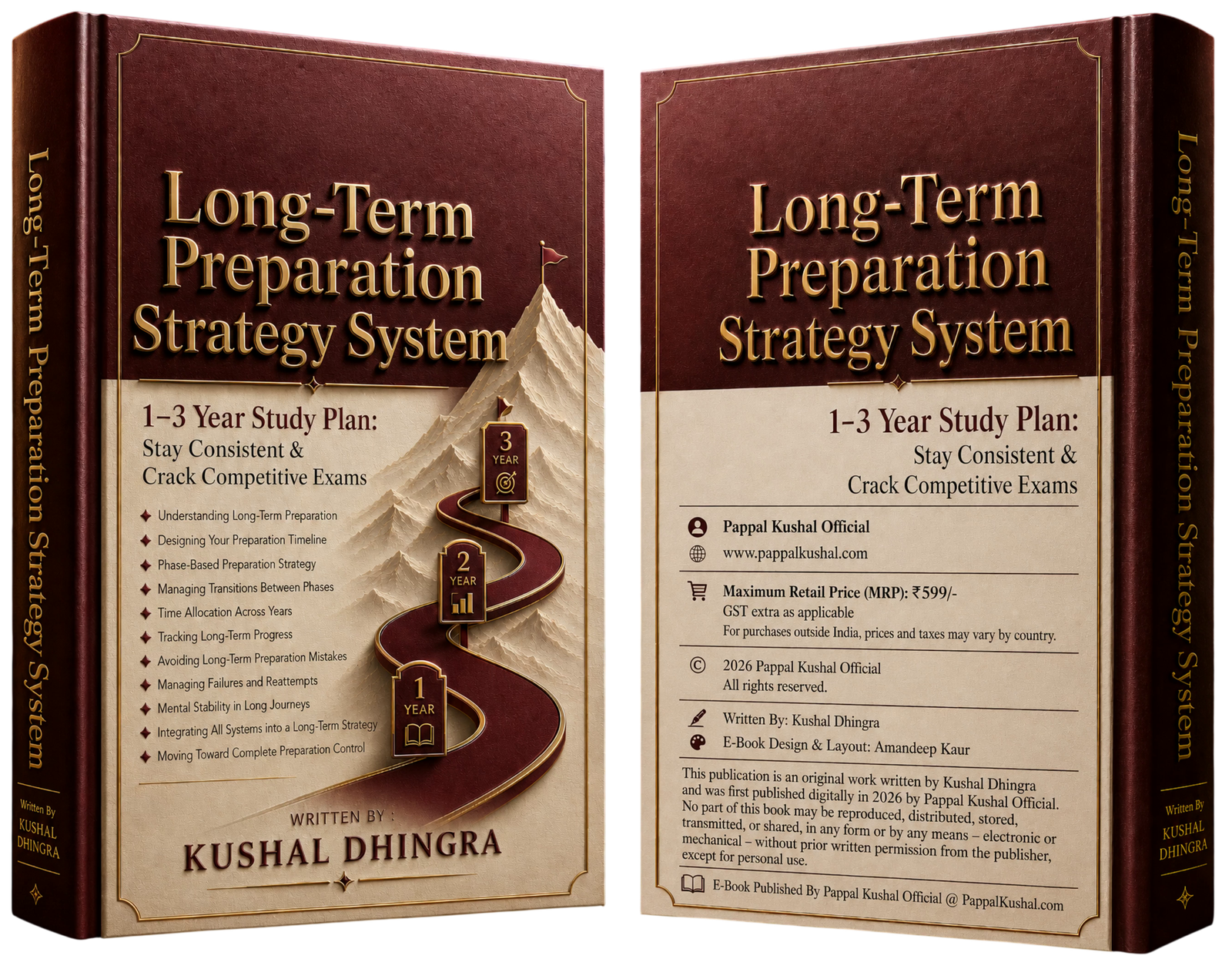
IFS preparation is rarely a short-term process. This advanced system creates structured long-duration preparation roadmaps capable of sustaining clarity, execution, revision, performance tracking, and mental stability across one-to-three-year preparation cycles. It integrates all preparation systems into one complete long-term execution architecture.
Instead of assembling preparation systems individually, the complete integrated IFS Preparation Framework is offered as a single structured execution ecosystem.

However, serious IFS preparation does not operate in isolated layers. An aspirant may improve planning but still fail in revision. Another may improve learning but remain weak in answer execution. Some may perform well in study phases but collapse during long-duration consistency cycles. Others may possess knowledge but fail under examination pressure.
This is why purchasing systems individually often creates fragmented improvement rather than complete preparation stability. IFS preparation requires integration.

The real advantage of a structured preparation system is not that it makes preparation easier. The real advantage is that it removes unnecessary inefficiency.
For serious IFS aspirants preparing for one of the most intellectually demanding services within the civil services ecosystem, this difference becomes extremely significant over time. Most aspirants continue repeating the same preparation cycle for months because they assume more effort will eventually solve structural problems. In reality, the longer preparation remains unstructured, the more time gets consumed without measurable strategic improvement. There comes a point where the smarter decision is no longer to gather more information. The smarter decision is to adopt the right system.

Build a preparation structure where effort is aligned, execution is measurable, revision is organized, performance is optimized, and long-term consistency becomes sustainable across the entire journey toward Indian Foreign Service preparation.