


main-logo
Judiciary and CLAT Premium Guides

There comes a stage in judiciary and CLAT preparation where effort alone slowly stops producing proportional results. An aspirant may already be studying regularly, following standard materials, attending coaching classes, solving practice questions, and attempting mock tests with seriousness, yet despite continuous work, progress begins to feel unstable. Understanding appears incomplete, revision becomes inconsistent, analytical reasoning weakens under pressure, and mock scores fluctuate without clear explanation. At this stage, many individuals assume the issue lies in intelligence, memory, or capability. In reality, the problem is usually much deeper and far more structural. Legal preparation rarely collapses because of lack of effort. It collapses because effort is operating without a unified execution framework capable of organizing preparation into a stable, repeatable, and performance-oriented system.

Judiciary and CLAT preparation are fundamentally different from ordinary academic study because the legal field itself functions through reasoning, interpretation, analytical clarity, structured thinking, and controlled decision-making. The examination environment continuously evaluates not only what an aspirant knows, but how effectively that knowledge can be applied under time pressure through logic, comprehension, interpretation, and judgment. This is why preparation built only upon passive reading or random effort gradually begins to fail after a certain stage. Without a structured preparation architecture, even hardworking aspirants eventually reach a plateau where effort increases but measurable progress remains limited.

The Judiciary & CLAT Premium Guides ecosystem has been developed specifically for this transition point — the stage where preparation must evolve beyond scattered effort and become a complete operational system. These guides are not random informational books, motivational content collections, or generic preparation notes. They are execution-oriented frameworks designed to eliminate the exact inefficiencies that repeatedly destroy legal preparation journeys over time. Every system addresses a specific failure point observed across judiciary and CLAT aspirants — confusion during starting phases, unstable execution, weak revision cycles, poor planning structures, inconsistent reasoning development, lack of performance optimization, and long-term preparation collapse caused by burnout or inconsistency.

Unlike fragmented online strategies where every topic exists separately without integration, these systems operate together as interconnected layers within a single preparation ecosystem. Each framework performs a precise function while strengthening the overall preparation architecture. When preparation begins functioning through structured systems instead of emotional intensity, effort becomes more aligned, progress becomes measurable, reasoning becomes sharper, and execution becomes sustainable over long preparation timelines.

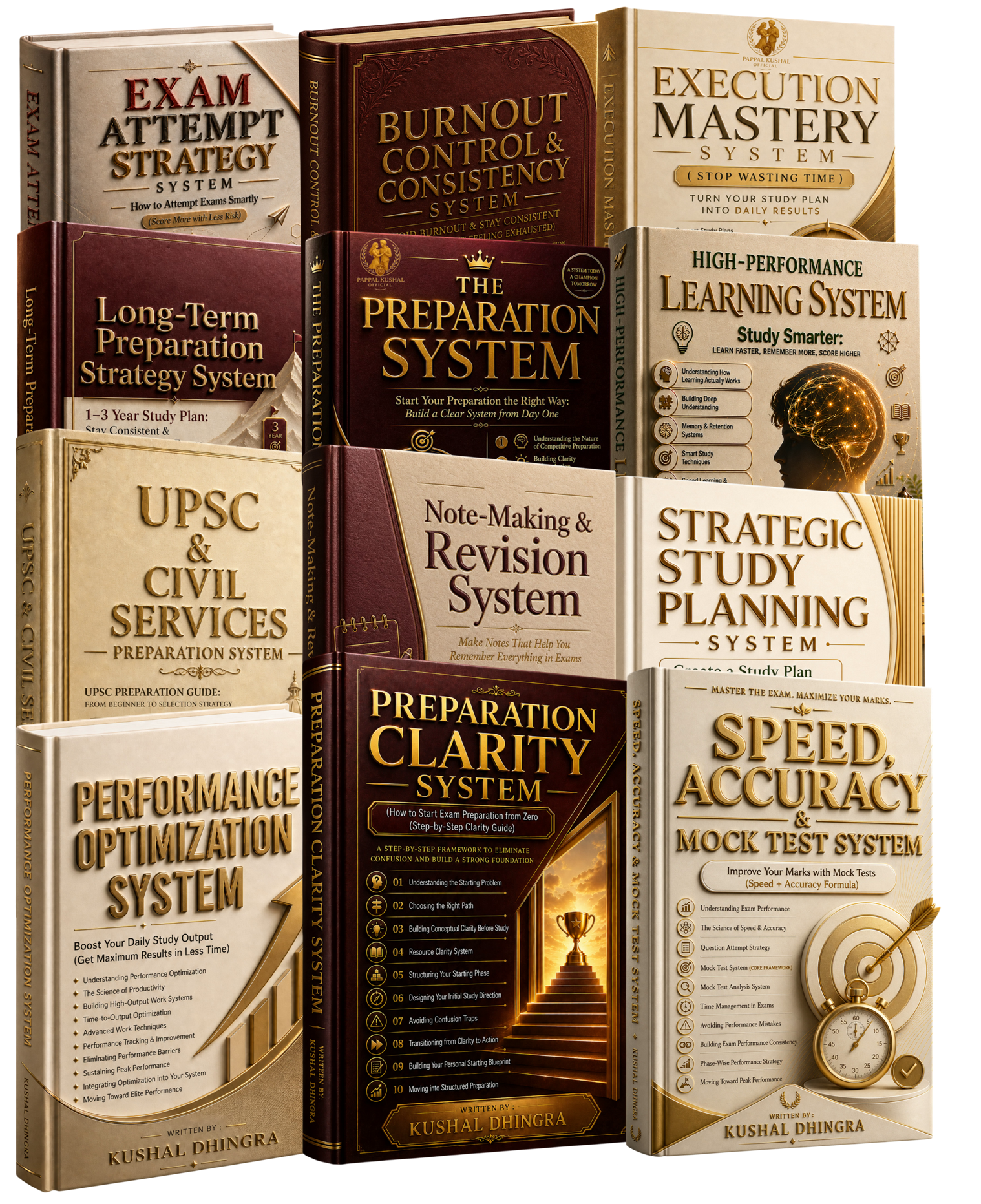
The Judiciary & CLAT Bundle has been specifically structured for aspirants who require strong analytical preparation systems rather than only exam-specific information. The selected systems focus heavily upon reasoning clarity, structured execution, learning efficiency, legal understanding, performance optimization, revision frameworks, consistency building, and examination control — all of which are central to success in judiciary services and CLAT preparation environments. This bundle includes nine interconnected systems:

The Preparation System acts as the foundational layer where preparation stops operating randomly and begins functioning through structure. It helps aspirants understand the real nature of competitive preparation, why most preparation cycles fail before meaningful progress begins, and how legal preparation must be approached as a coordinated system rather than isolated activities. Instead of relying upon emotional motivation or uncontrolled routines, this framework establishes clarity, preparation architecture, execution direction, and system-based thinking from the very beginning.

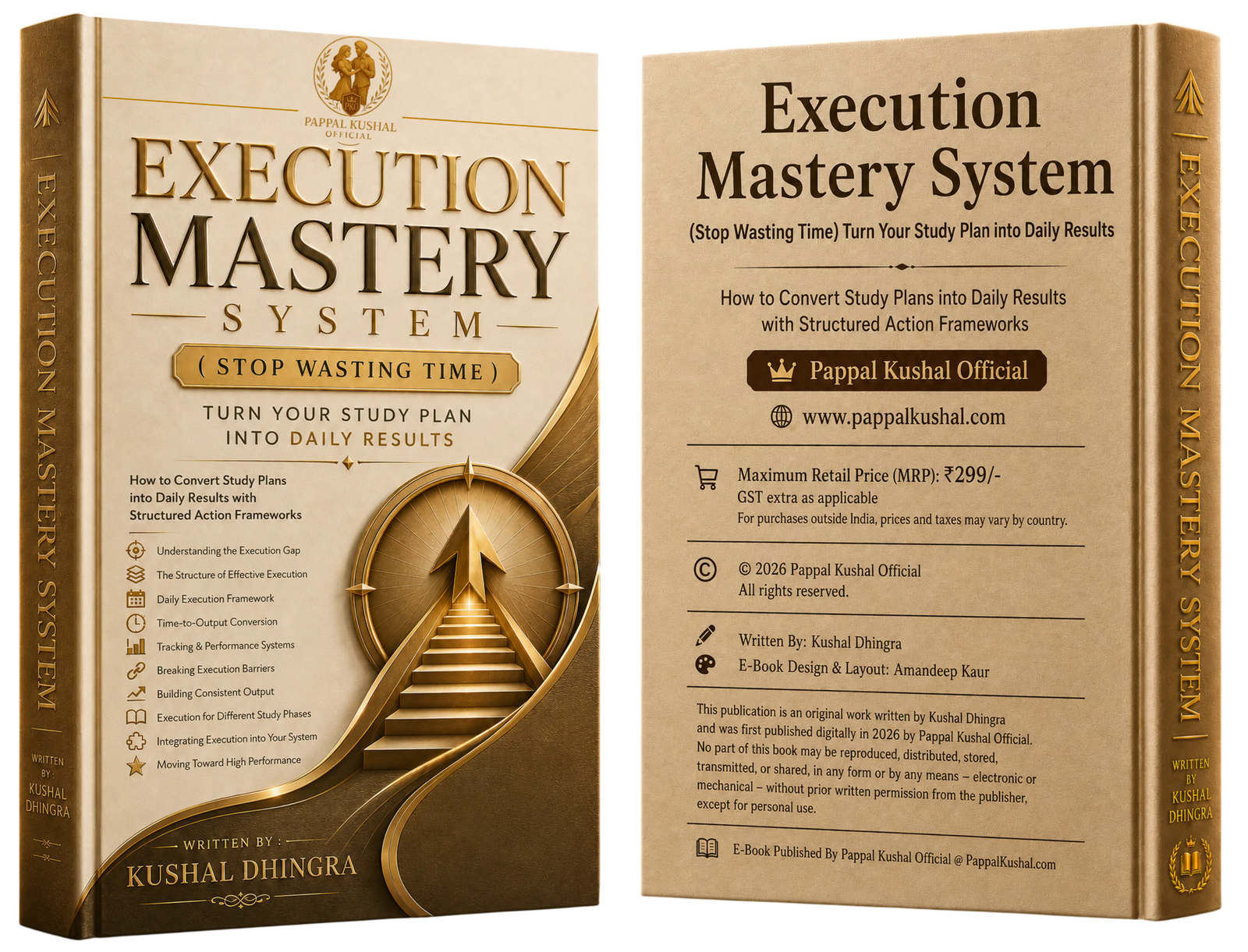
Execution Mastery System addresses one of the most dangerous hidden problems within judiciary and CLAT preparation — the inability to convert plans into consistent output. Many aspirants understand what must be studied but continuously fail to implement preparation with stability. This system bridges the gap between intention and measurable execution by creating operational frameworks that transform study planning into visible daily results. Instead of remaining trapped inside cycles of overplanning and under-execution, aspirants begin developing structured output systems capable of sustaining long-term progress.

Preparation Clarity System eliminates the confusion that defines the early and intermediate stages of preparation. Judiciary and CLAT aspirants are often overwhelmed by scattered advice, excessive resources, contradictory preparation methods, and uncertainty regarding where to begin. This framework establishes structured direction by helping aspirants understand syllabus logic, exam patterns, conceptual foundations, subject prioritization, and preparation pathways without informational overload. It converts uncertainty into controlled direction before major time is lost through wrong strategies.

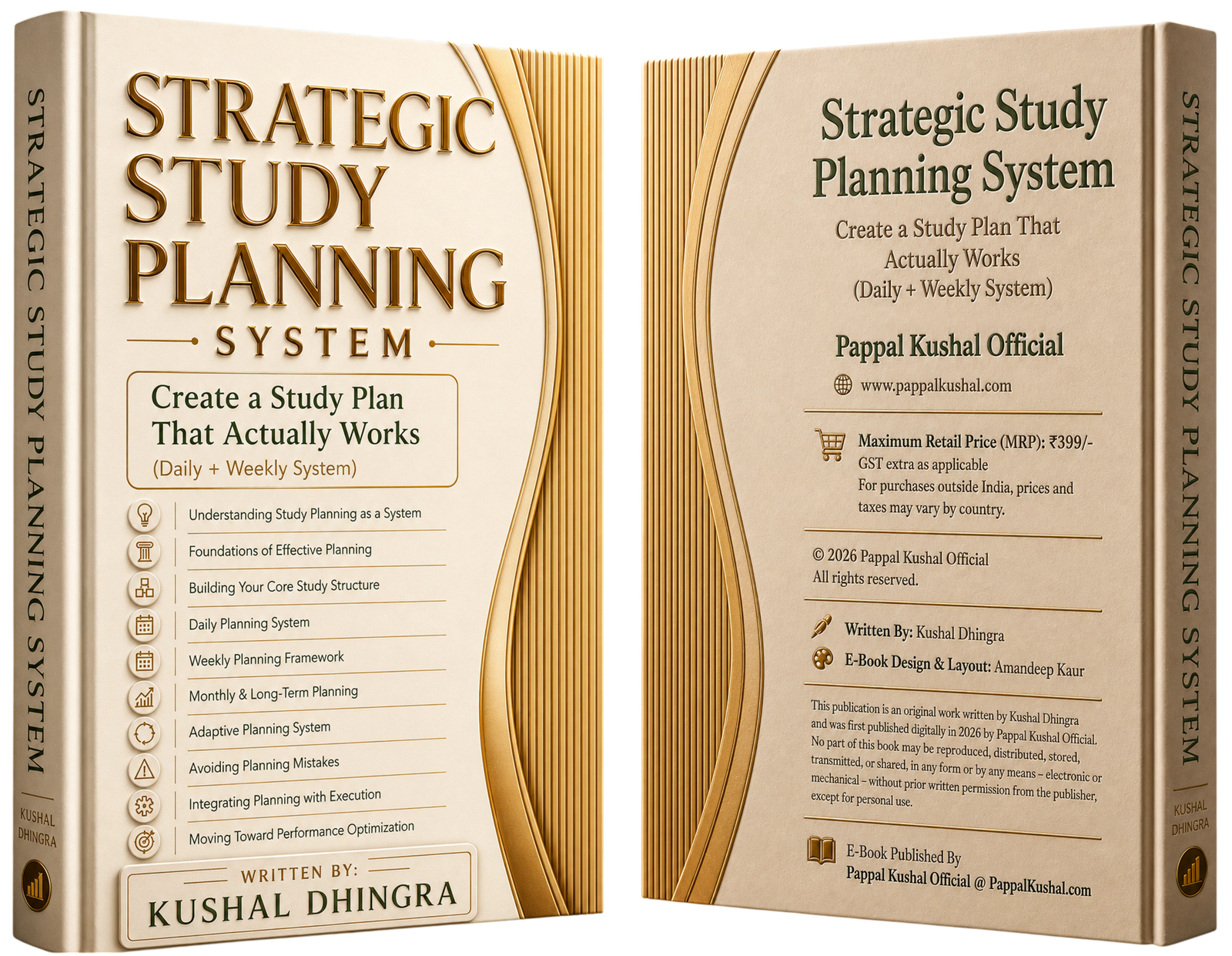
Strategic Study Planning System transforms preparation from emotional routines into structured execution cycles. Judiciary and CLAT syllabi become unmanageable when preparation lacks planning architecture. This system helps aspirants divide vast preparation journeys into practical daily, weekly, monthly, and long-term frameworks where subjects, revision, analytical practice, and performance cycles remain balanced without overwhelming the aspirant mentally or operationally. Instead of constantly restarting plans, preparation becomes progressively more stable and executable.

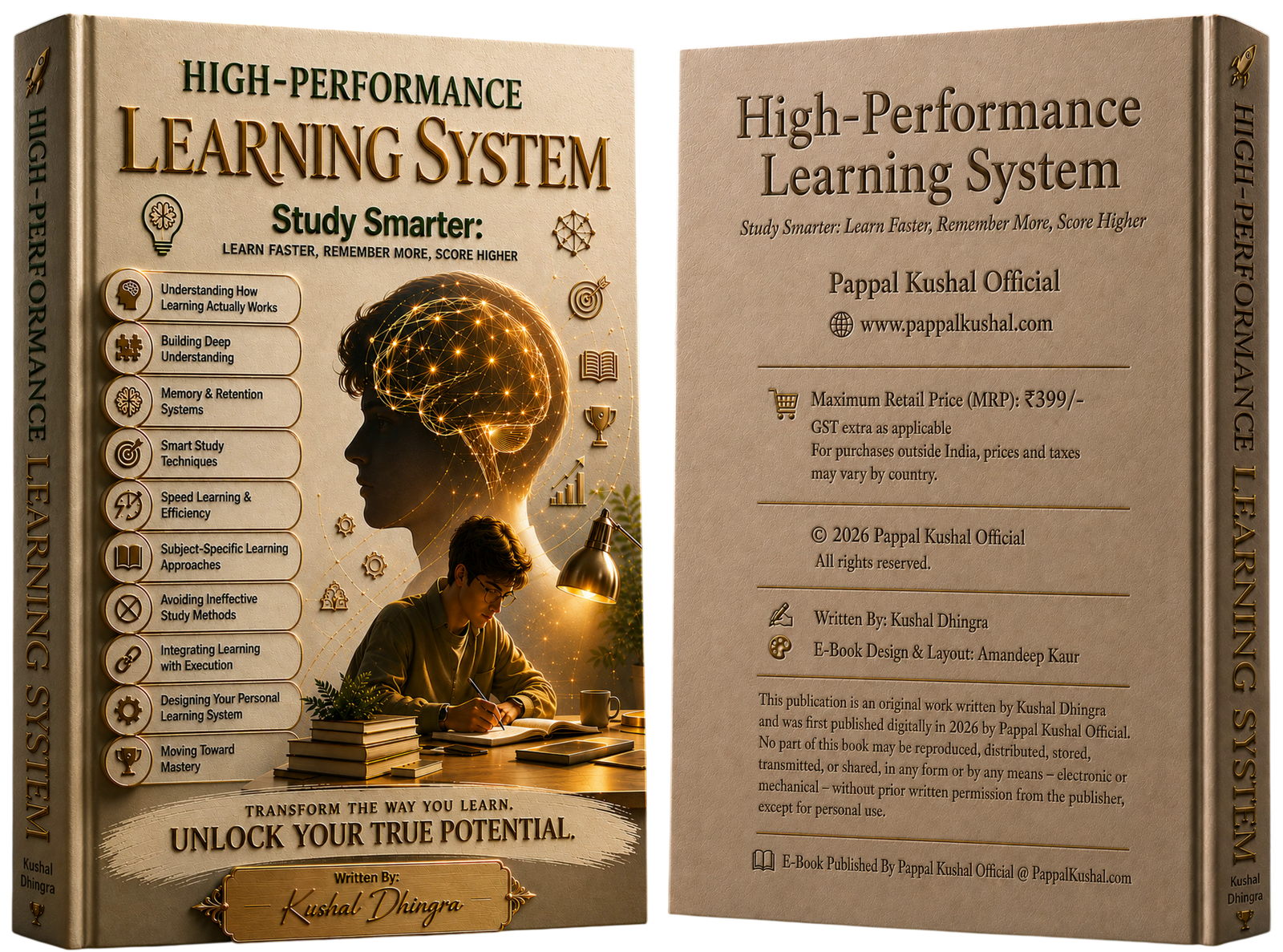
High-Performance Learning System strengthens one of the most critical dimensions of legal preparation — deep conceptual understanding. Judiciary and CLAT examinations require interpretation, comprehension, legal logic, and analytical application rather than surface-level memorization. This system improves learning efficiency by helping aspirants understand how deep retention, active learning, structured recall, reasoning development, and intelligent study systems function operationally. It ensures that time invested into learning actually converts into usable analytical performance inside examination environments.

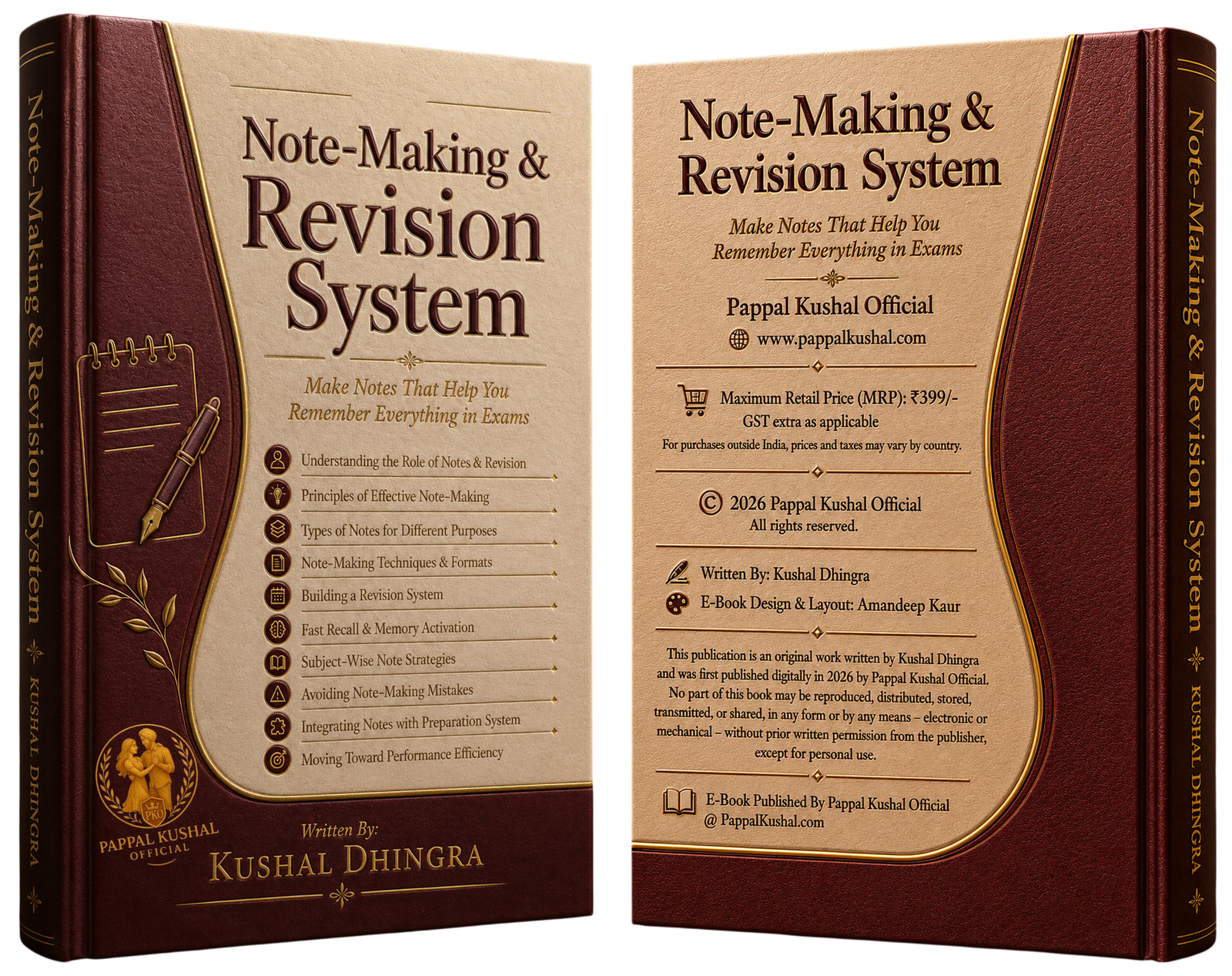
Note-Making & Revision System solves one of the most underestimated problems in long-term legal preparation — unstable retention. Judiciary and CLAT preparation involve large conceptual ecosystems where understanding without structured revision eventually collapses under pressure. This framework teaches aspirants how to organize legal concepts, analytical frameworks, factual retention, reasoning notes, and revision systems in ways that strengthen long-term recall rather than repeatedly forcing re-learning cycles. Revision stops becoming random repetition and starts functioning as controlled reinforcement.

Exam Attempt Strategy System directly targets performance inside the actual examination environment. Many aspirants possess knowledge but lose marks because they fail to control question selection, time allocation, risk management, negative marking exposure, or pressure-based decision-making. This system trains aspirants to control the examination psychologically and strategically rather than emotionally reacting inside the paper. It improves judgment, accuracy stability, risk control, and exam hall decision-making — critical skills in both judiciary and CLAT examinations where reasoning under pressure determines final outcomes.

Consistency Engine System addresses one of the most repeated preparation failures — unstable daily execution. Most aspirants do not fail because they cannot work hard temporarily. They fail because they cannot sustain structured execution consistently across months and years. This framework converts preparation into repeatable behavioral systems where study becomes operational rather than motivational. Instead of repeatedly stopping and restarting preparation, aspirants gradually build automatic execution structures capable of sustaining progress without constant emotional dependence.

Long-Term Preparation Strategy System integrates all systems into a unified multi-year roadmap designed specifically for competitive preparation environments requiring sustained effort. Judiciary and CLAT preparation often extend across long timelines where instability, uncertainty, delays, and repeated performance fluctuations can psychologically weaken aspirants over time. This framework ensures that preparation remains strategically aligned across months and years instead of collapsing due to inconsistent direction, burnout cycles, or repeated strategic mistakes.

WHAT EACH BOOK ACTUALLY SOLVES

1. The Preparation System
→ Start Your Preparation the Right Way: Build a Clear System from Day One.

Most judiciary and CLAT aspirants begin preparation with ambition but without operational clarity. They collect multiple resources, follow scattered strategies, and continuously switch preparation methods without understanding how legal preparation should actually function as a complete system. Over time, this creates confusion, instability, and repeated restarting cycles. This framework establishes the foundational architecture of preparation itself, helping aspirants understand how to organize subjects, structure execution, control preparation flow, and build a preparation ecosystem where every effort contributes toward measurable progress instead of random activity.


2.Execution Mastery System
→ (Stop Wasting Time) Turn Your Study Plan into Daily Results.

How to Convert Study Plans into Daily Results with Structured Action Frameworks

One of the biggest hidden failures in judiciary and CLAT preparation is not lack of planning, but lack of execution consistency. Aspirants often spend more time redesigning routines than implementing them. Plans look productive on paper but collapse during real preparation conditions. This system bridges the dangerous gap between knowing and doing by creating structured execution frameworks capable of converting legal preparation into visible daily output. It teaches aspirants how to eliminate procrastination, reduce execution friction, sustain operational momentum, and transform preparation from theoretical planning into measurable implementation.
3. Preparation Clarity System
→ How to Start Exam Preparation from Zero (Step-by-Step Clarity Guide). 

A Step-by-Step Framework to Eliminate Confusion and Build a Strong Foundation

Judiciary and CLAT preparation can become mentally overwhelming when aspirants do not fully understand exam structure, syllabus logic, conceptual priorities, or strategic sequencing. Most individuals begin studying without clarity regarding what actually matters, which resources should be prioritized, how legal reasoning develops, and how long-term preparation should evolve. This framework eliminates uncertainty by providing a complete directional structure where aspirants understand exactly how to begin preparation intelligently instead of wasting months in confusion and unstructured experimentation.

4. Strategic Study Planning System
→ Create a Study Plan That Actually Works (Daily + Weekly System).

Most study plans fail because they are emotionally ambitious but operationally unrealistic. Judiciary and CLAT preparation involve large conceptual ecosystems where improper planning quickly leads to burnout, inconsistency, and syllabus overload. This framework teaches aspirants how to divide preparation into sustainable daily, weekly, and long-term execution cycles where learning, revision, reasoning practice, mock analysis, and recovery remain balanced. Instead of repeatedly abandoning overloaded schedules, aspirants build structured systems capable of sustaining consistent legal preparation across long timelines.
5. High-Performance Learning System
→ Study Smarter: Learn Faster, Remember More, Score Higher

Legal preparation is not based upon passive reading. Judiciary and CLAT examinations require deep comprehension, analytical interpretation, conceptual retention, reasoning precision, and structured thinking under pressure. This system improves the quality of learning itself by teaching aspirants how to process concepts faster, strengthen understanding depth, improve legal reasoning ability, retain information longer, and maximize productive learning efficiency without depending purely upon excessive study hours or repetitive memorization.
6. Note-Making & Revision System
→ Make Notes That Help You Remember Everything in Exams.

Many aspirants create extensive notes yet still struggle during revision because their systems are not designed for practical recall under examination pressure. Over time, subjects become difficult to manage, concepts begin overlapping, and revision turns into endless re-reading without retention stability. This framework teaches structured note-making methods, intelligent legal concept organization, layered revision cycles, compressed recall systems, and reinforcement strategies designed specifically to improve long-term retention and examination recall efficiency across judiciary and CLAT preparation.
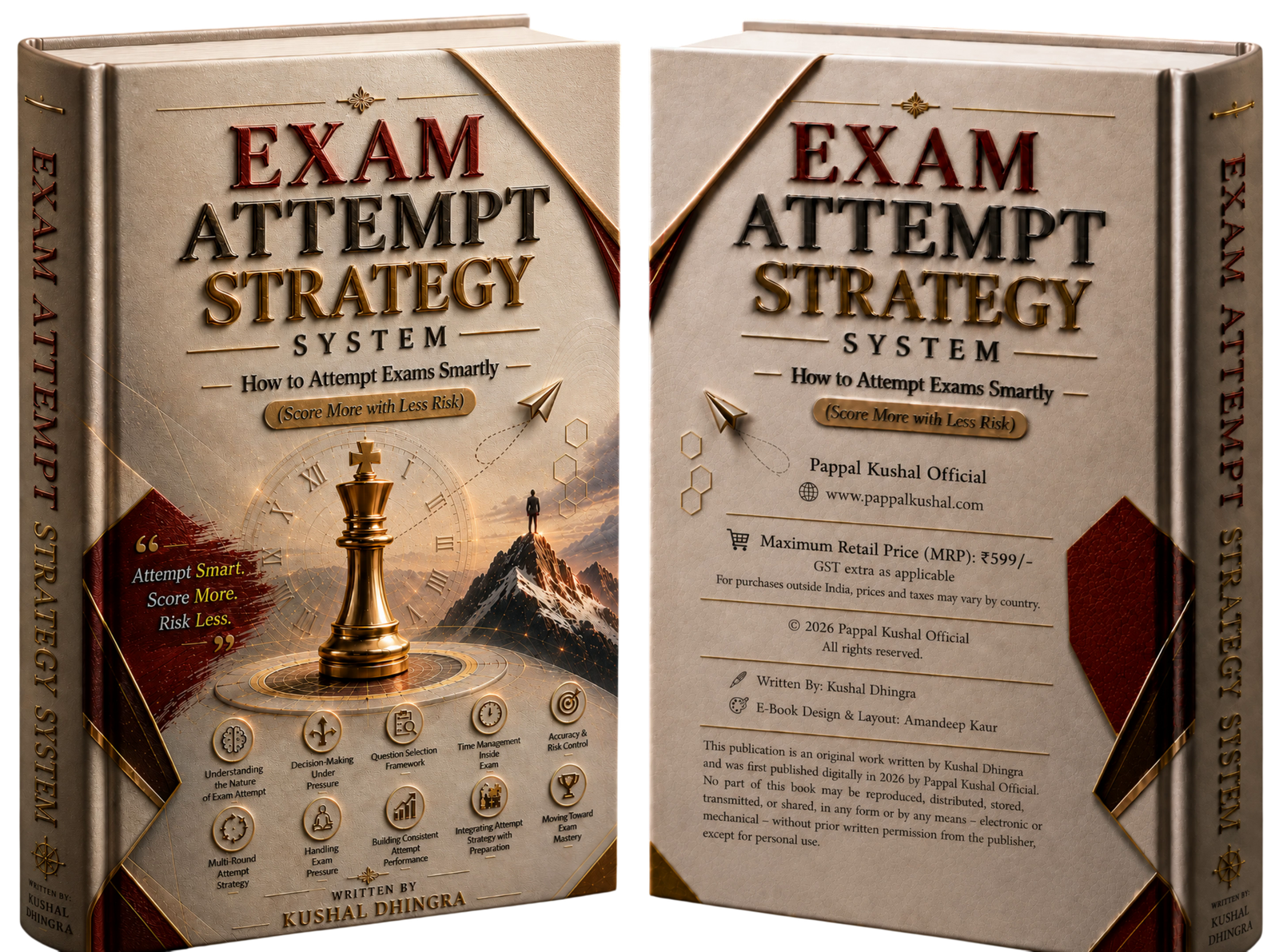
7. Exam Attempt Strategy System
→ How to Attempt Exams Smartly (Score More with Less Risk).

Many judiciary and CLAT aspirants possess sufficient knowledge but still lose marks because they fail to control the examination strategically. Poor question selection, unstable time management, emotional decision-making, panic under pressure, and weak risk control often reduce overall performance despite strong preparation. This system trains aspirants to approach examinations strategically rather than emotionally by improving judgment, accuracy stability, elimination techniques, pressure management, attempt optimization, and real-time decision-making skills required to maximize performance inside competitive legal examinations.
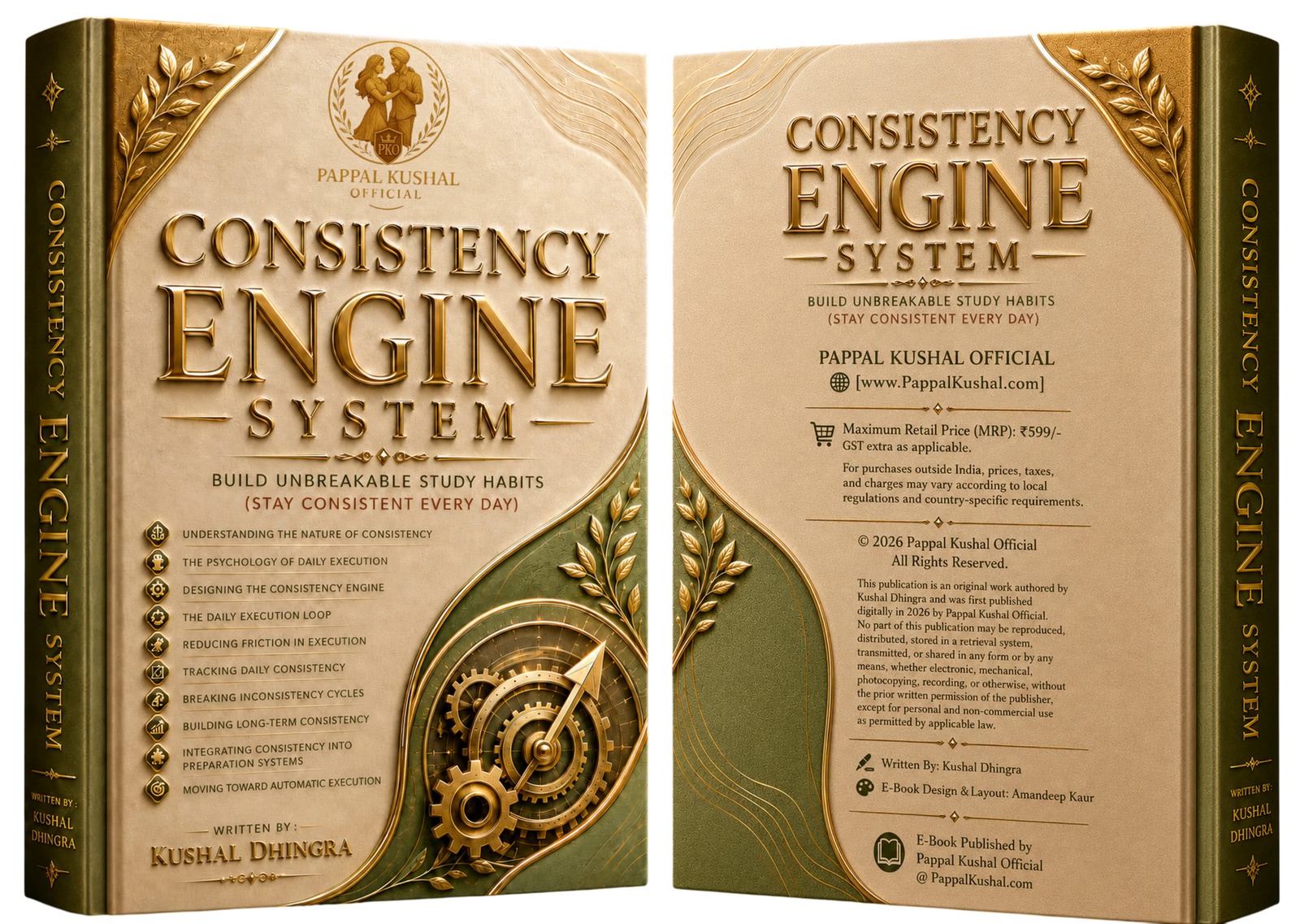
8. Consistency Engine System
→ Build Unbreakable Study Habits (Stay Consistent Every Day).

Most preparation journeys fail slowly through inconsistency rather than suddenly through lack of capability. Aspirants study intensely for short periods, lose rhythm, restart preparation repeatedly, and eventually become mentally exhausted from unstable execution cycles. This framework converts preparation into repeatable operational behavior by building sustainable study habits, friction-free execution systems, disciplined routines, and automatic preparation structures that continue functioning even during low-motivation phases. Instead of depending upon emotional intensity, aspirants develop systems capable of sustaining long-term legal preparation stability.
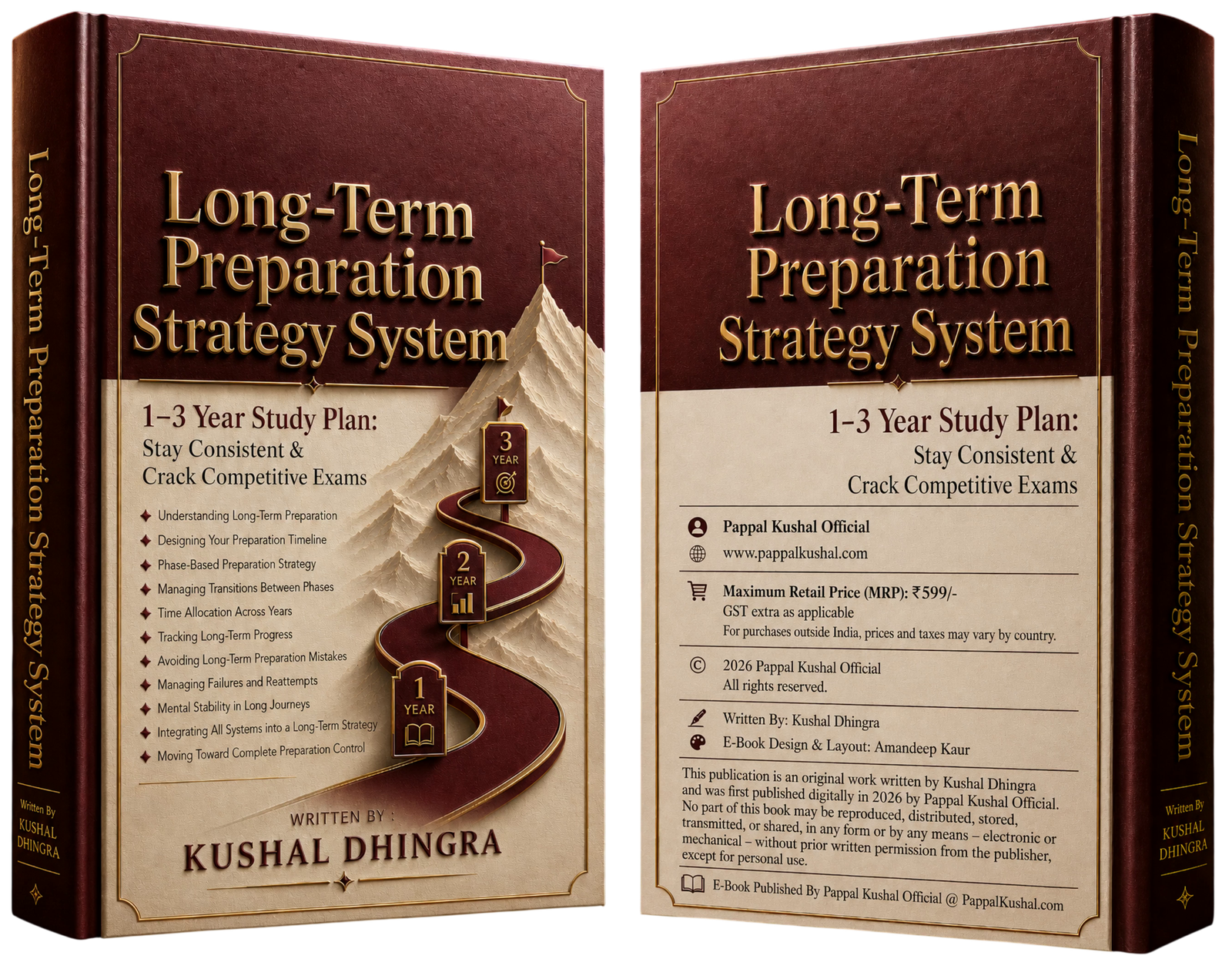
9. Long-Term Preparation Strategy System
→ 1–3 Year Study Plan: Stay Consistent & Crack Competitive Exams.

Judiciary and serious legal preparation journeys often extend across multiple years where mental fatigue, uncertainty, delays, repeated failures, and inconsistent execution gradually weaken aspirants psychologically. This framework integrates planning, execution, revision, reasoning development, consistency systems, and strategic direction into a complete long-term preparation roadmap designed specifically for extended competitive preparation cycles. It ensures that aspirants maintain structure, confidence, and preparation continuity over time instead of repeatedly collapsing under pressure or losing direction midway through the journey.
Each of these systems has been designed to solve a specific failure point repeatedly observed within real judiciary and CLAT preparation journeys. Individually, they strengthen isolated preparation layers such as planning, reasoning, revision, execution, or consistency. However, real legal preparation success rarely depends upon isolated improvement. It depends upon how effectively every preparation layer operates together as a unified structure.

When integrated together, these systems eliminate inefficiency across the complete preparation journey and transform scattered effort into structured legal preparation architecture capable of producing measurable long-term progress.

Those who recognize this distinction early usually avoid months and sometimes years of repeated preparation mistakes, unstable routines, and unnecessary confusion.

The complete structured Judiciary & CLAT preparation ecosystem can be accessed here →

/judiciary-clat/premium-guides/

Each of these systems has been designed to solve a specific breakdown point repeatedly observed within judiciary and CLAT preparation patterns. Individually, they provide clarity in isolated areas. However, judiciary and legal preparation rarely fail because of one single issue. Failure usually emerges from multiple small inefficiencies operating together — weak planning, unstable execution, poor revision systems, inconsistent reasoning practice, burnout cycles, lack of analytical structure, and poor exam control. When integrated together, these systems eliminate inefficiency across the complete preparation journey rather than temporarily solving isolated problems. Aspirants who recognize this distinction early usually avoid months and sometimes years of repeated preparation mistakes.

PRICING STRUCTURE & VALUE POSITIONING

When evaluated independently, every system carries its own depth, operational structure, and execution architecture.

After standard 20% Discount:

  • Foundation Systems (1–3):                  ₹239 each
  • Study & Performance Systems (4–9): ₹319 each
  • Advanced Systems (16–18):                   ₹479 each

If acquired individually, the cumulative system value exceeds ₹3,500.

COMPLETE BUNDLE ACCESS

Instead of assembling systems individually, the full Judiciary & CLAT structured bundle is offered at:

₹999 (70% Structured System Access)

However, judiciary and CLAT preparation do not function through isolated execution. Legal preparation requires integration. Purchasing systems individually often creates operational gaps where planning exists without execution, learning exists without revision, or consistency exists without strategic direction. Partial systems frequently produce partial improvement because preparation itself operates as a connected structure rather than independent activities.
SYSTEM COMPARISON (CRITICAL DECISION VIEW)

Approach

Experience

Result

Free Content + Random Strategy

Scattered preparation, information overload, unstable reasoning development, repeated confusion

No consistent progress

Single Book Purchase

Improvement in one isolated preparation area

Incomplete structure, limited transformation

Complete Judiciary & CLAT System Bundle

Fully integrated preparation architecture with analytical, execution, revision, and performance systems working together

Structured preparation, stable execution, measurable legal reasoning improvement

The bundled structure is not simply a pricing discount. It is a restructuring of preparation access. Instead of forcing aspirants to assemble fragmented systems separately, the complete preparation architecture becomes available as a unified operational ecosystem specifically aligned for judiciary and CLAT preparation environments.

COMPLETE BUNDLE ACCESS

Instead of assembling systems individually, the full Judiciary & CLAT structured bundle is offered at:

₹999 (70% Structured System Access)

This is not merely reduced pricing. It is system-level accessibility designed for serious aspirants who have already realized that unstructured preparation eventually becomes more expensive than investing in clarity itself. Most aspirants do not lose success because they lack intelligence or work ethic. They lose time through repeated cycles of confusion, inconsistent execution, unstable revision, ineffective reasoning development, weak mock analysis, and repeated strategic restarting.

The real difference between aspirants who continue struggling and those who begin progressing consistently is rarely effort alone. The difference is structural alignment. One continues operating through disconnected actions. The other begins functioning through integrated systems where preparation becomes measurable, stable, and strategically controlled.

The Judiciary & CLAT Premium Guides ecosystem has been built upon repeated observation of real preparation patterns — where aspirants lose direction, where analytical performance weakens, where execution breaks down, and where years are silently wasted despite continuous effort. Every system within this bundle directly addresses one of those breakdown points with operational clarity rather than motivational abstraction.

This system is designed for serious aspirants who no longer want preparation to depend upon uncertainty, emotional intensity, or repeated trial-and-error cycles. It is designed for those who understand that judiciary and CLAT success require structured reasoning systems, stable execution, controlled preparation architecture, and long-term strategic consistency capable of surviving pressure, complexity, and time.

The value of structured preparation is not measured by how much information it provides. It is measured by how effectively it transforms effort into performance.

Most aspirants delay this transition because they believe more effort alone will eventually solve structural problems. In reality, this delay is where the largest amount of time is usually lost.

Start Structured Judiciary & CLAT Preparation Now →

(₹999 | Full Judiciary & CLAT Execution Framework)

Move beyond scattered preparation and step into a complete structured legal preparation ecosystem designed to strengthen analytical reasoning, improve execution stability, optimize revision systems, refine examination control, and convert long-term preparation into measurable performance with clarity, structure, and consistency.

Explore Our PDF Guide Collection

Browse our exclusive range of digital guides on fashion, beauty, wellness, and success.

Poetry & Music
Fem Mode
JM Fashion
Digital Products