UPSC Premium Guides
There comes a stage in every serious UPSC preparation journey where effort alone gradually stops producing stable and measurable results. An aspirant may be studying for long hours daily, reading standard books consistently, following current affairs rigorously, attending coaching programs, solving mock tests, preparing notes carefully, and investing years of disciplined effort, yet preparation still begins to feel unstable, mentally exhausting, repetitive, and increasingly difficult to manage with clarity. At this stage, the problem is rarely lack of capability or seriousness. In most cases, it is the predictable consequence of preparing for one of the most intellectually demanding examination ecosystems in the country without a structured preparation architecture capable of sustaining long-term execution, analytical growth, revision stability, answer-writing quality, and psychological consistency together within one integrated system.
UPSC preparation is fundamentally different from ordinary academic studying because the Civil Services Examination itself is not designed to reward temporary intensity or fragmented learning. It evaluates how effectively an individual can think, analyze, organize, interpret, communicate, decide, and sustain performance under pressure across multiple stages over extended durations. The examination continuously tests conceptual clarity, interdisciplinary thinking, answer structuring, decision-making quality, time management, retention capability, emotional resilience, and long-term execution stability simultaneously.
This is why many aspirants eventually discover that the true challenge of UPSC is not merely completing the syllabus. The true challenge is sustaining a preparation system capable of functioning efficiently for one to three years without collapsing under complexity, inconsistency, mental fatigue, information overload, or repeated restarting cycles.
Initially, preparation often feels manageable. Aspirants begin with enthusiasm, structured resources, coaching guidance, and strong motivation. Progress appears visible during the early stages. However, as preparation deepens, multiple operational layers begin overlapping simultaneously.
The syllabus expands continuously. Current affairs accumulate daily. Revision systems become difficult to sustain. Notes increase faster than retention. Answer-writing quality fluctuates. Mock test scores become inconsistent. Time management weakens under pressure. Planning systems become complicated. Execution becomes unstable. Burnout slowly develops through silent mental exhaustion. Many aspirants repeatedly restructure plans, switch strategies, collect additional resources, or consume endless preparation content believing the solution lies in working harder.
In reality, the issue is often not effort. The issue is structural fragmentation.
Most serious UPSC aspirants already possess access to enough information. Modern preparation ecosystems already provide books, coaching systems, lectures, toppers’ strategies, current affairs platforms, PDFs, mock tests, online content, and guidance in overwhelming quantities. The challenge is no longer access to knowledge.
The challenge becomes integration.
How do you convert scattered preparation into a connected execution system where planning, learning, revision, note-making, answer writing, mock testing, consistency, performance optimization, examination handling, and long-term psychological stability strengthen one another continuously instead of functioning separately without alignment?
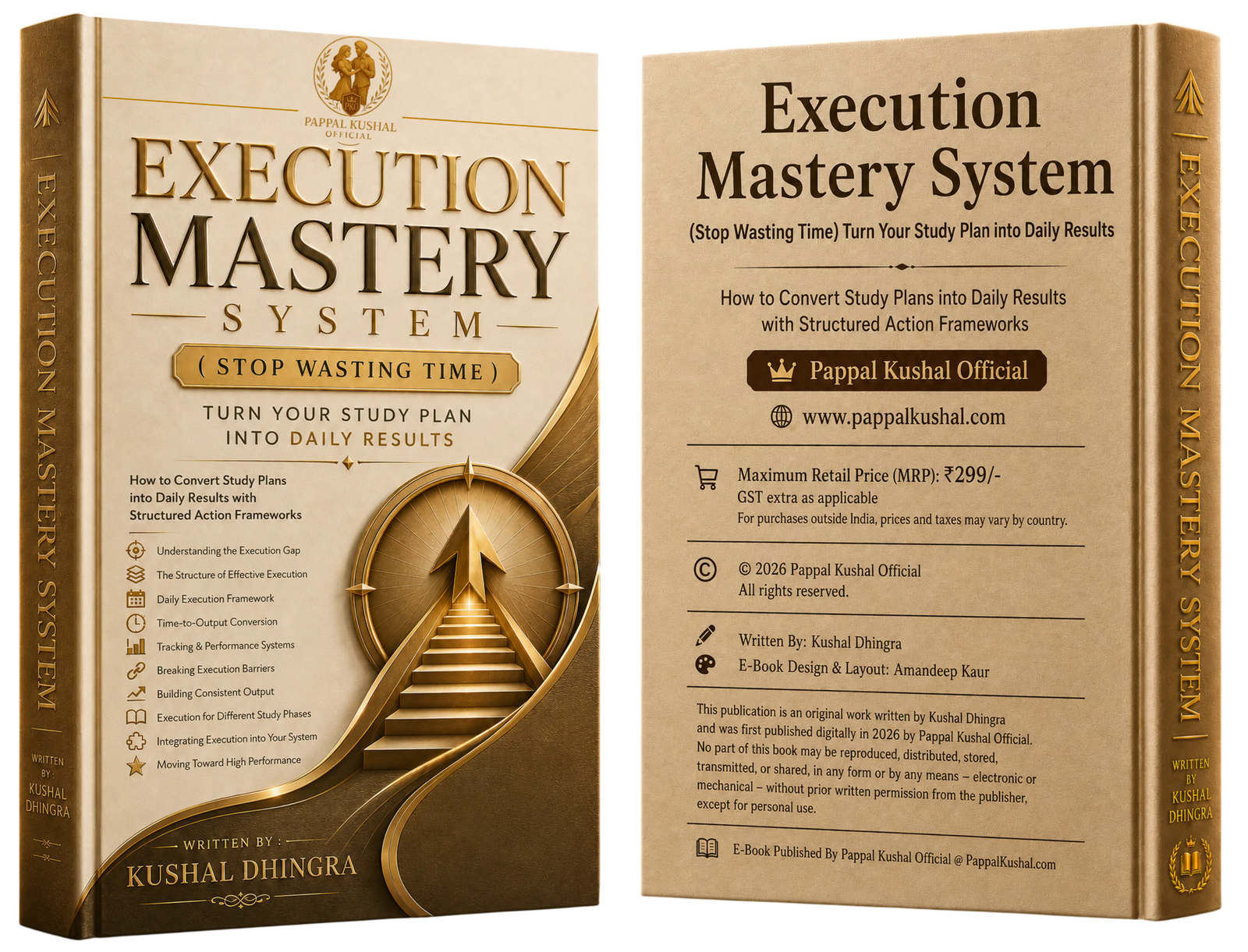
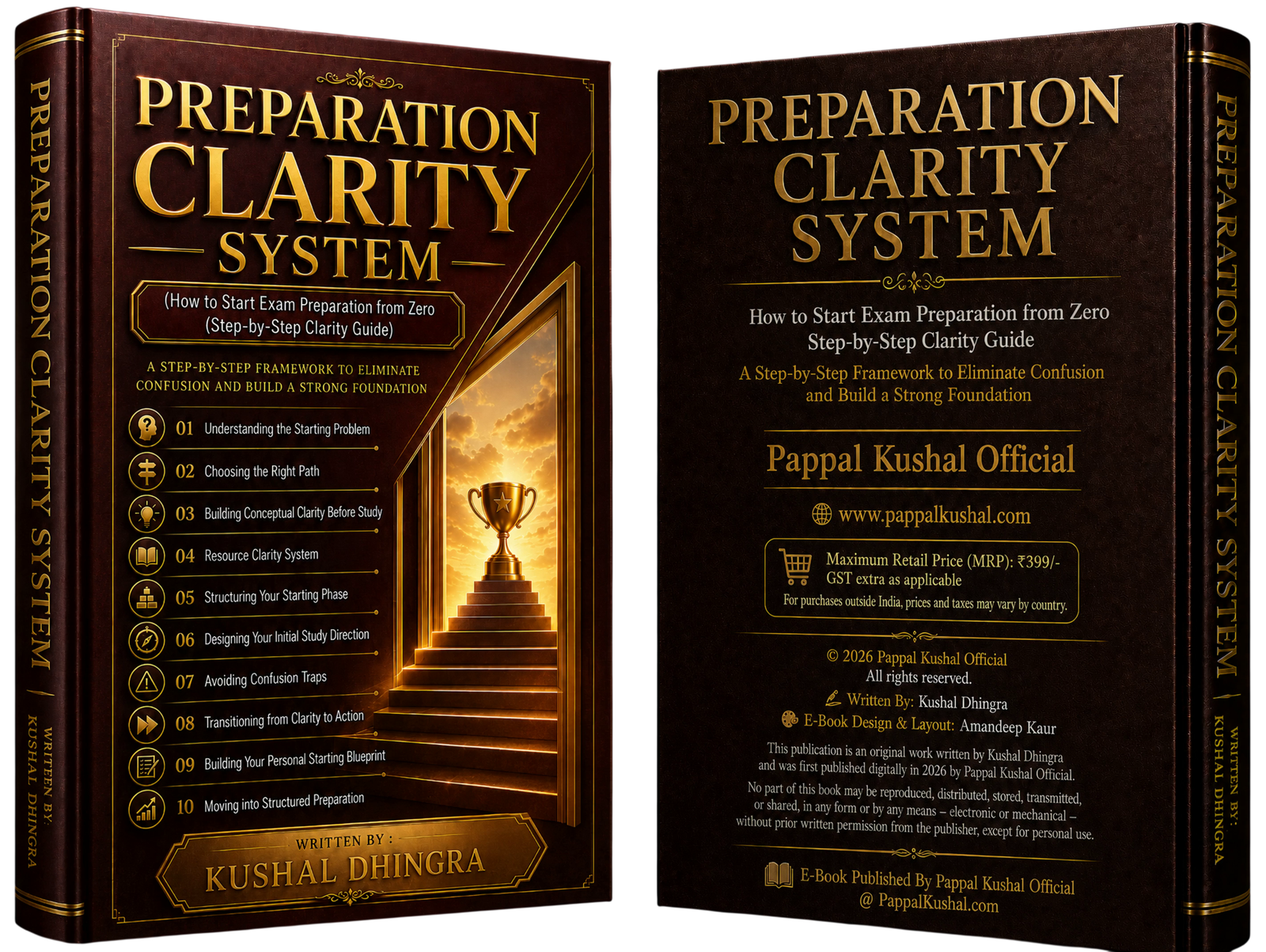
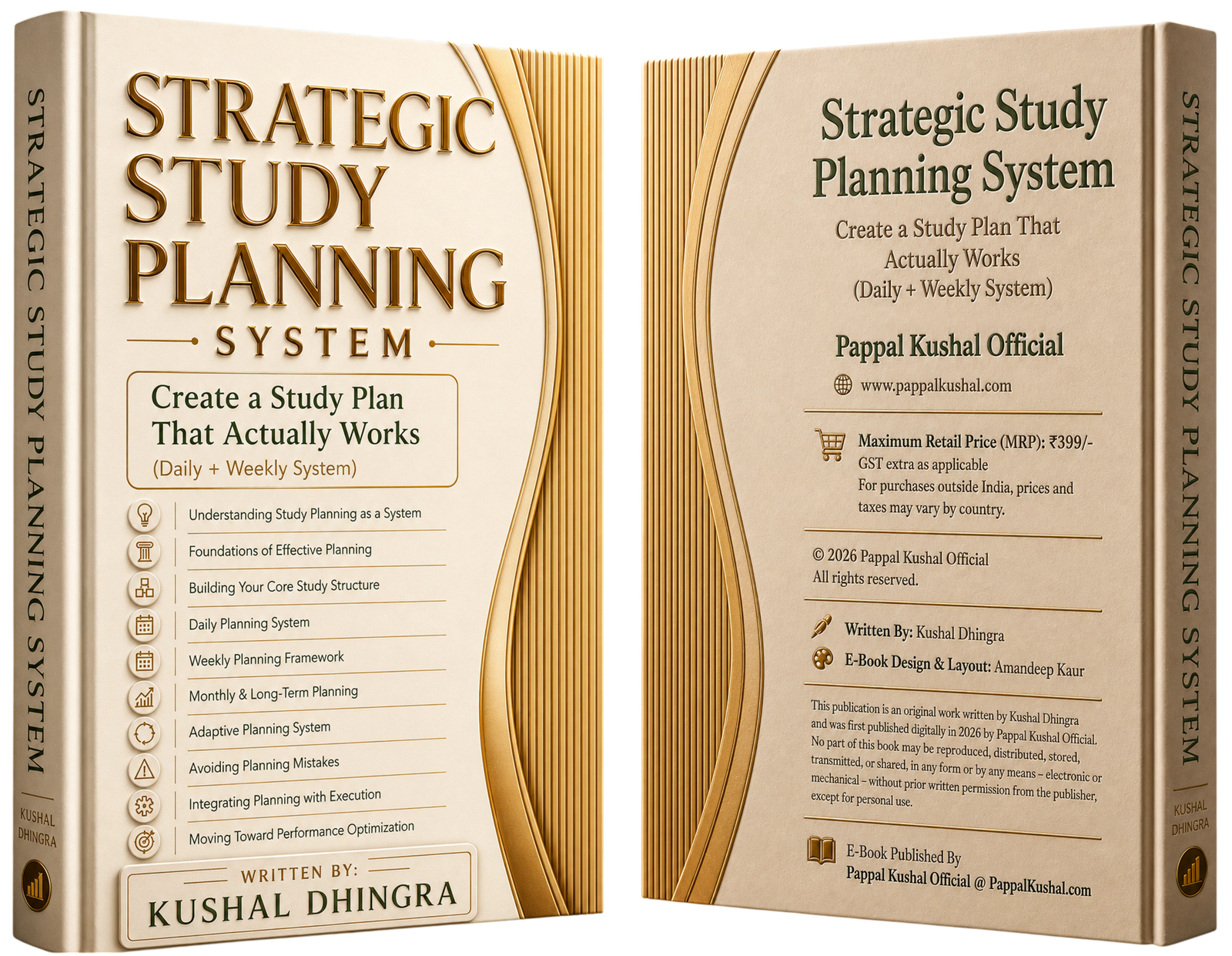
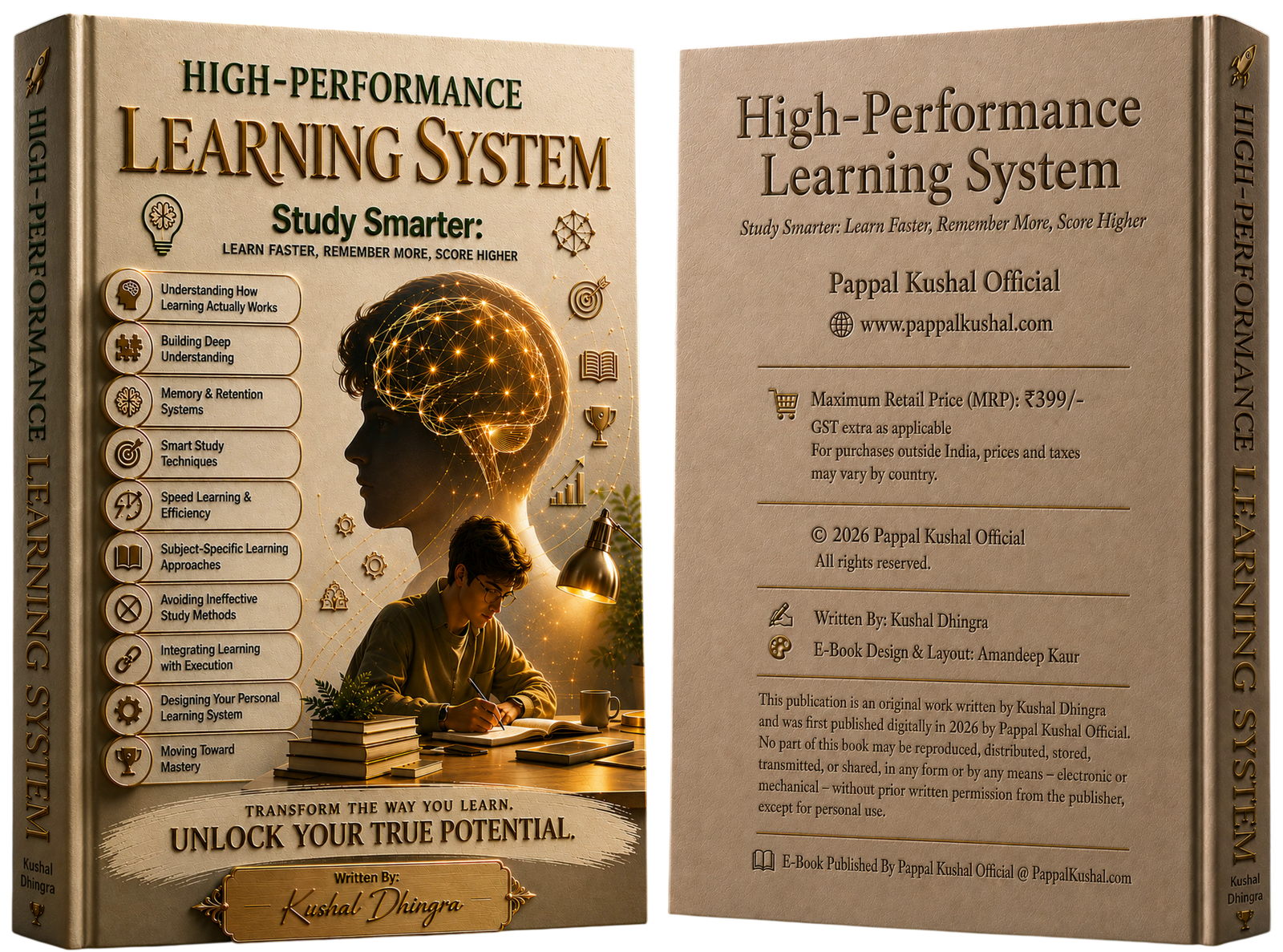
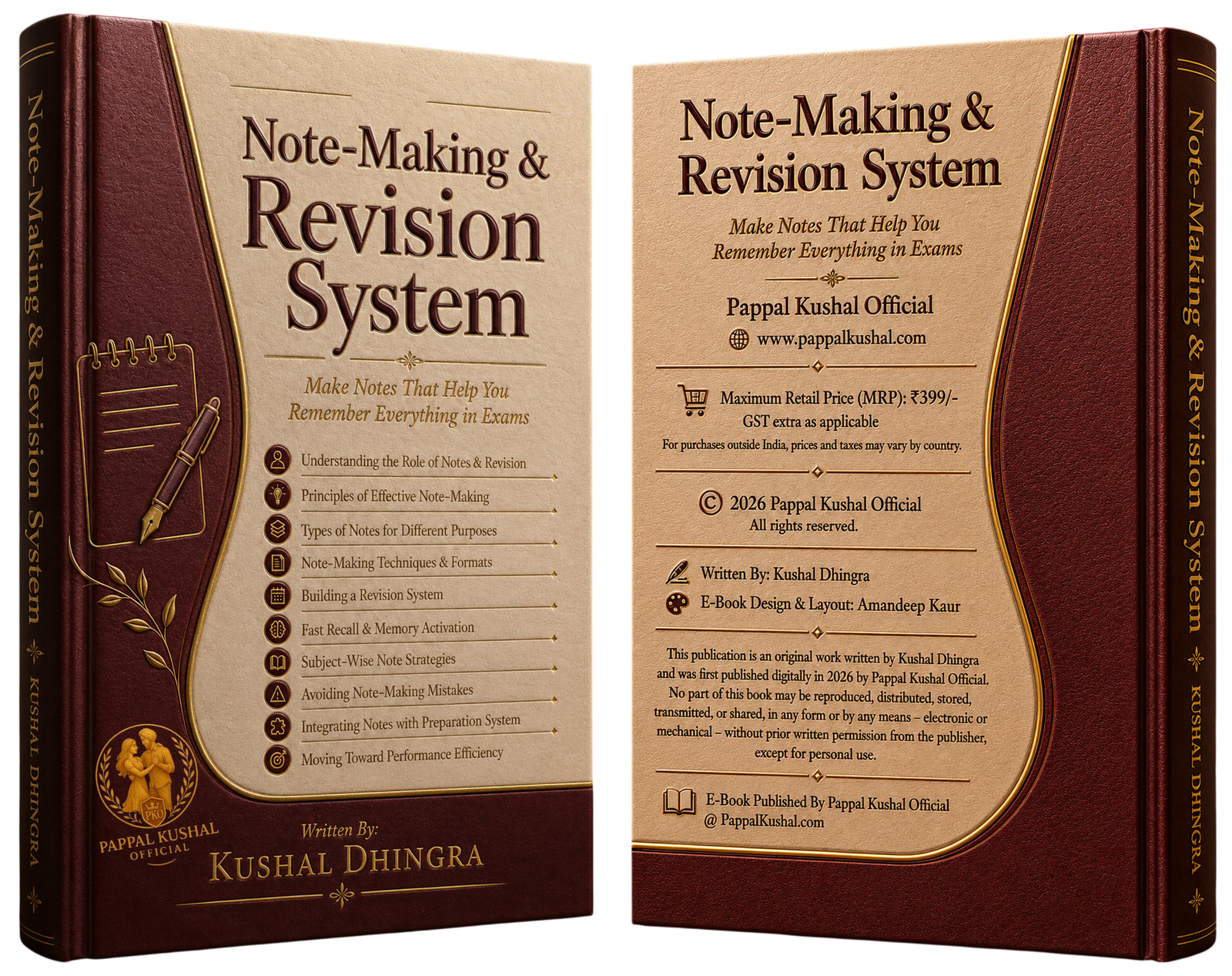
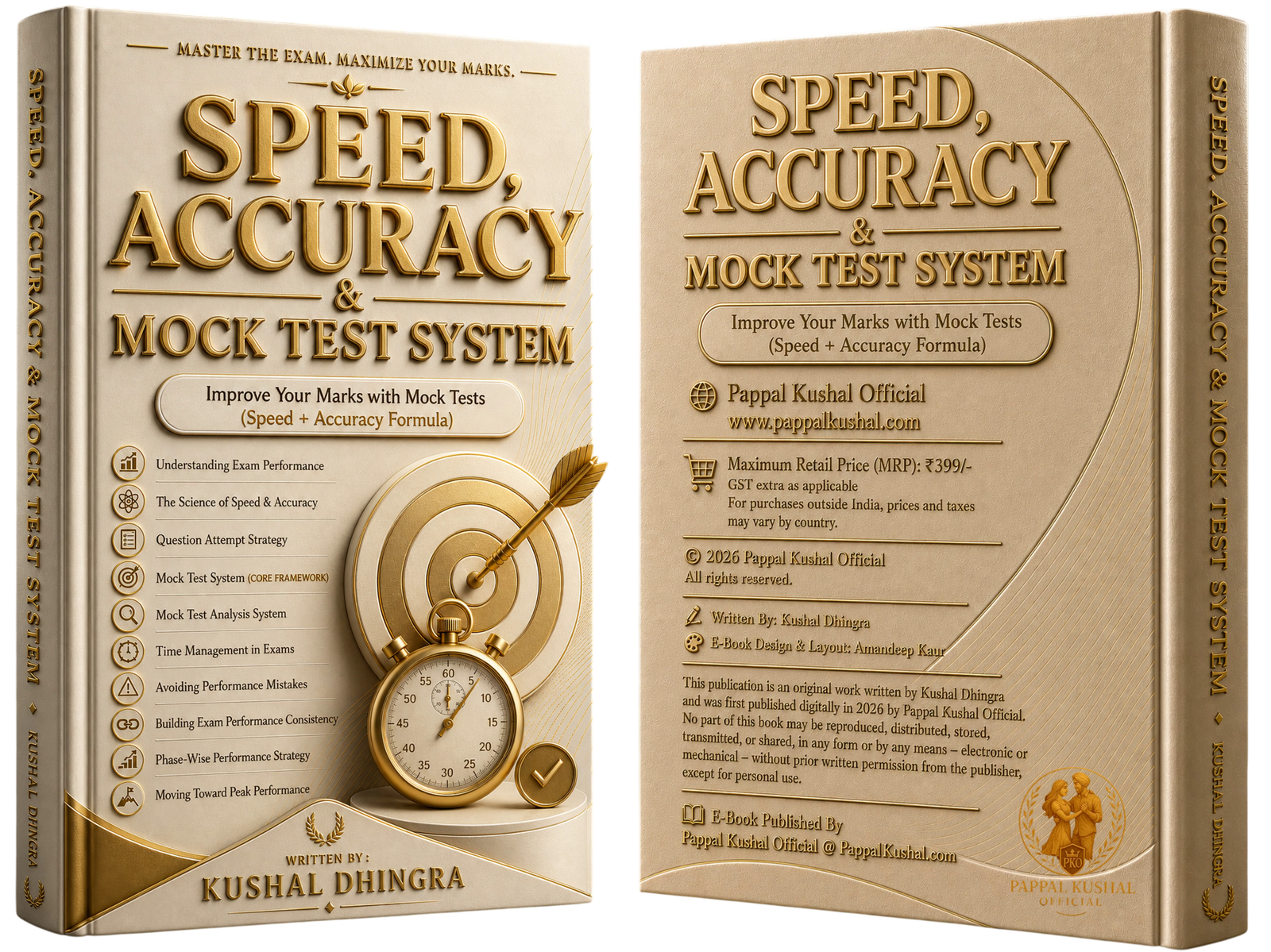
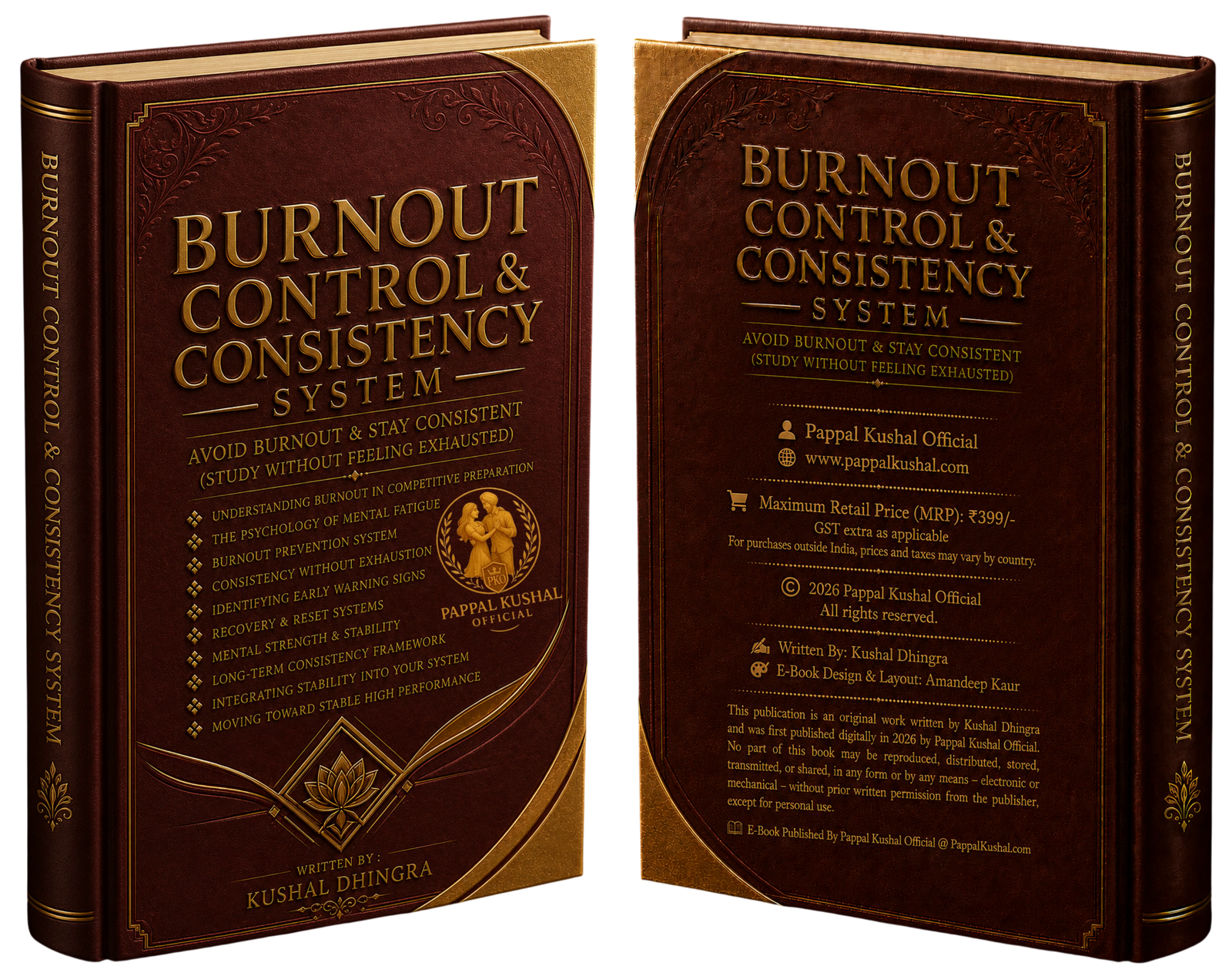
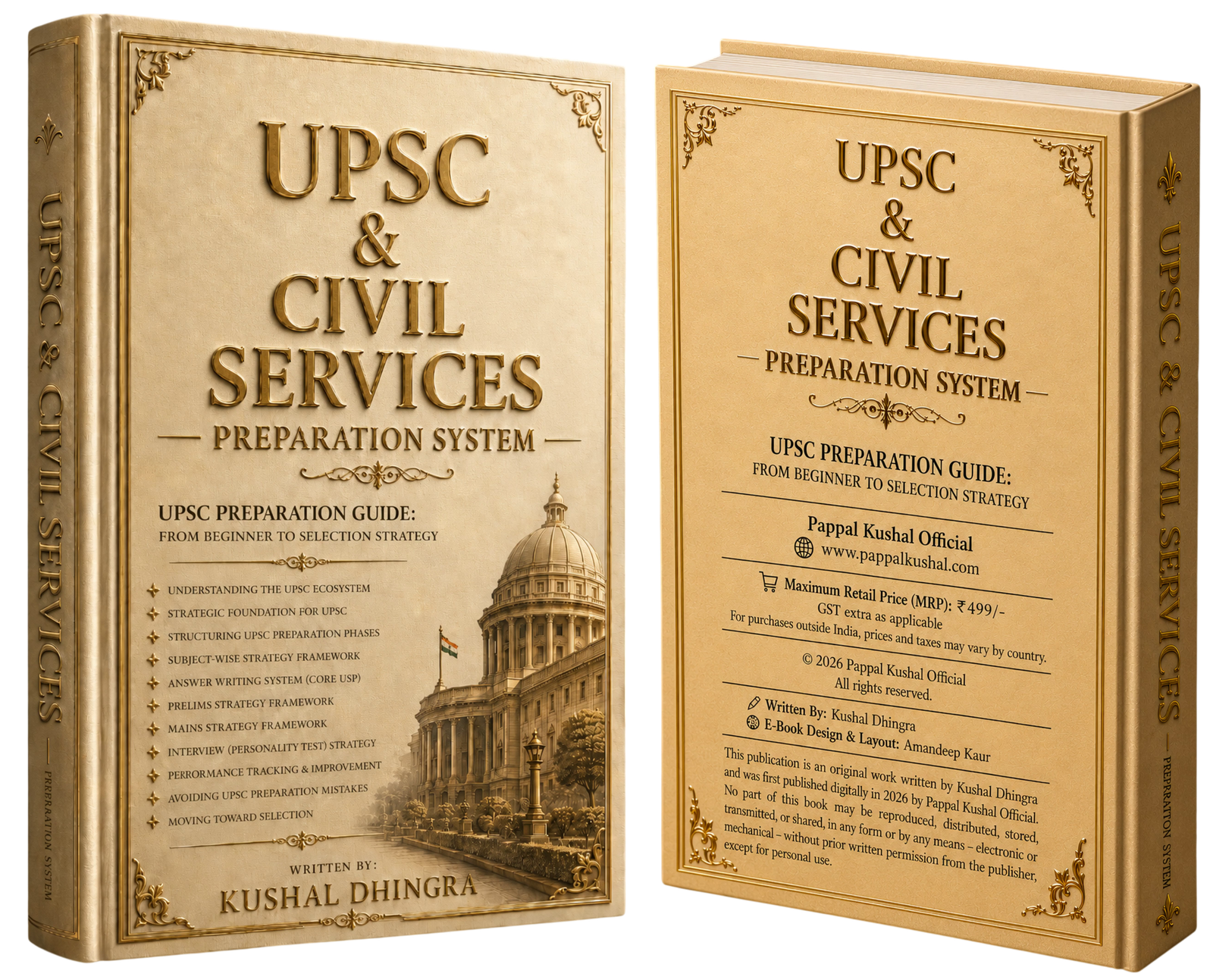
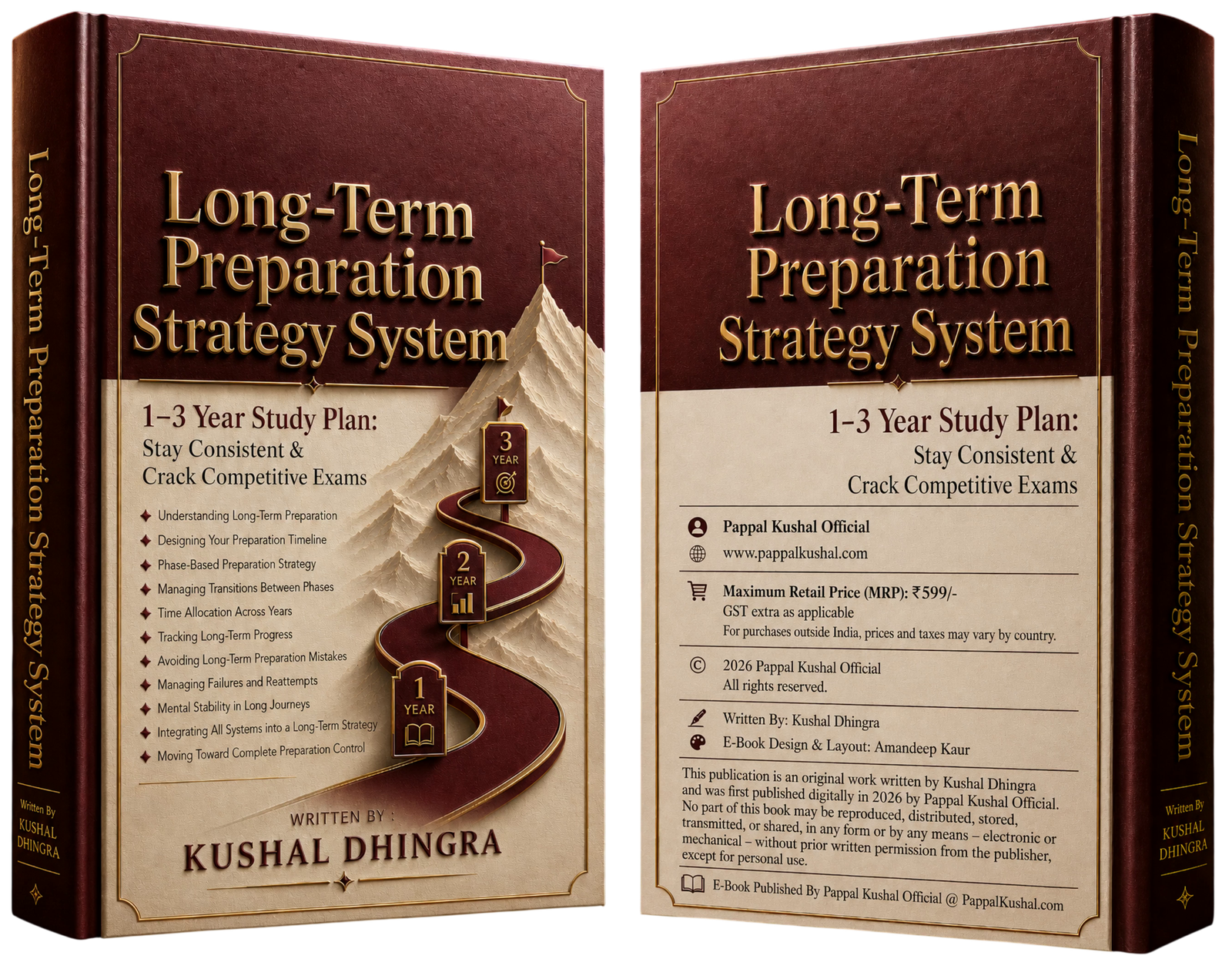
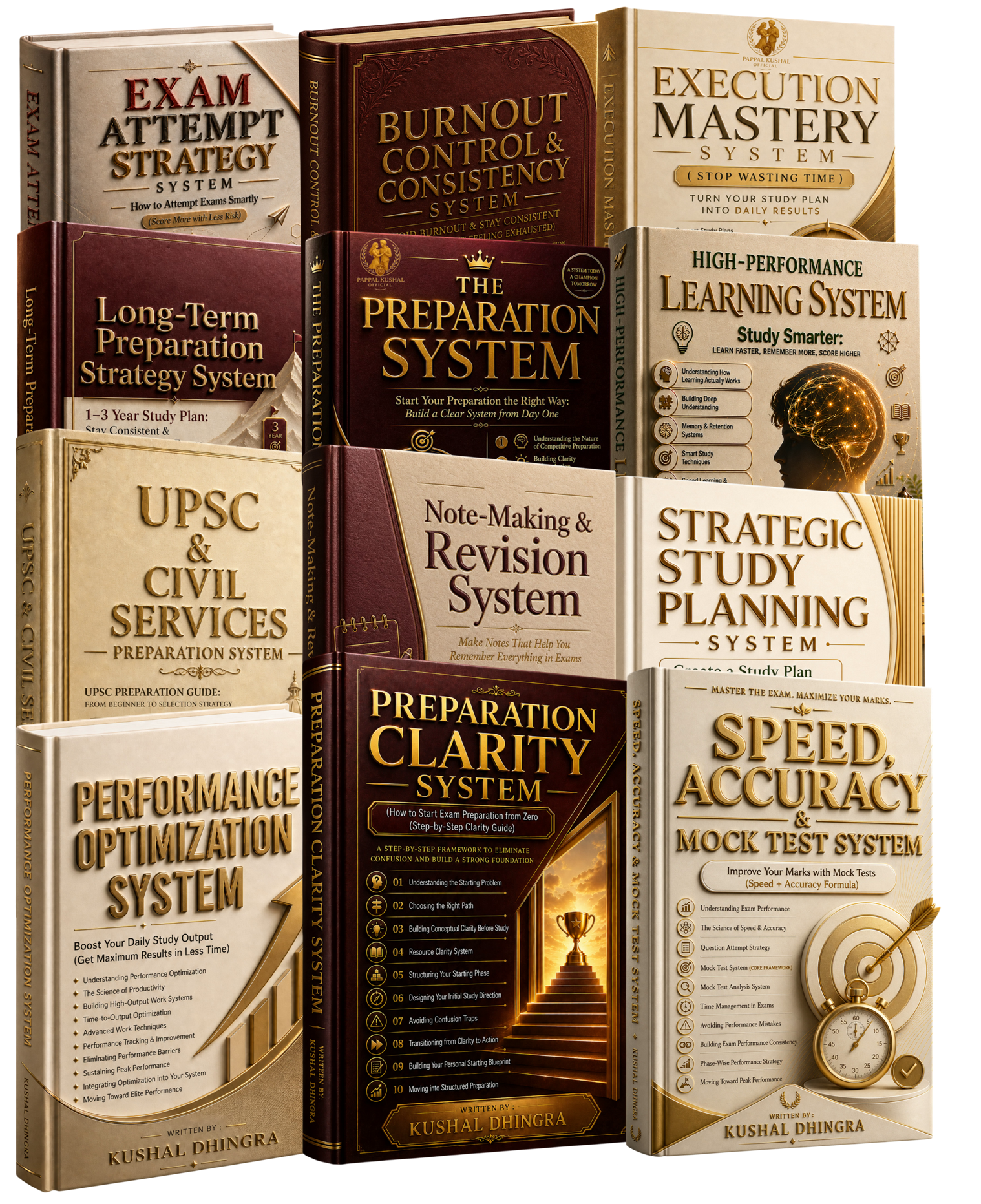
The UPSC Premium Structured Preparation Bundle has been designed specifically for this stage where preparation must evolve beyond ordinary studying and become system-driven execution.
This is not positioned as a random collection of motivational books or isolated study guides. It is designed as a complete preparation architecture where each framework addresses a specific failure point repeatedly responsible for slowing down, destabilizing, or mentally exhausting UPSC aspirants during long-duration preparation journeys.
Some systems establish foundational clarity and structured preparation direction. Some strengthen discipline, focus, and execution consistency. Some optimize learning quality, retention, and revision systems. Some improve analytical thinking, answer-writing quality, mock test performance, and examination handling under pressure. Some stabilize long-term preparation continuity and prevent burnout during extended preparation cycles.
Together, these systems transform preparation from scattered effort into structured strategic progression.
Each of these systems has been designed to solve a specific structural breakdown point repeatedly experienced during serious UPSC preparation. When used independently, they improve isolated preparation areas. However, when integrated together, they create a complete Civil Services preparation ecosystem where discipline, planning, learning, revision, answer writing, performance analysis, examination handling, consistency, and long-term strategic execution operate together within one aligned framework rather than functioning separately without coordination.
This distinction matters because UPSC preparation itself is not linear. It is interconnected. Weak revision systems affect answer-writing quality. Poor planning weakens execution. Inconsistent routines reduce retention. Unstructured mock testing weakens performance analysis. Lack of burnout control destabilizes long-term consistency. Over time, even highly sincere aspirants begin losing efficiency because preparation itself lacks internal structure.
Those who recognize these structural inefficiencies early usually avoid years of repeated mistakes, unstable preparation cycles, scattered learning patterns, delayed improvement, inconsistent mock test performance, and repeated restarting behaviors that silently consume valuable preparation time.
Instead of assembling systems individually, the full integrated UPSC Structured Preparation Bundle is offered at:
₹1499 Only

(70% System-Level Access)
However, Civil Services preparation does not succeed through fragmented implementation. Purchasing isolated systems often creates partial improvement while leaving major structural gaps unresolved across revision, answer writing, execution consistency, analytical development, examination handling, and long-term strategic preparation.
For Free Full Table of Contents

@ ₹1499/- Only
SYSTEM COMPARISON (CRITICAL DECISION VIEW)
| Approach |
Experience |
Result |
| Free Content + Random UPSC Strategy |
Information overload, scattered preparation, repeated confusion, unstable revision systems, inconsistent answer writing |
No predictable long-term progress |
| Single Book Purchase |
Improvement in one isolated preparation area |
Partial clarity but incomplete preparation structure |
| Complete UPSC Structured Bundle |
Fully integrated Civil Services preparation architecture |
Consistent execution, stable preparation systems, measurable performance growth |
The bundled system is not positioned merely as a pricing discount.
It is a restructuring of preparation itself into a connected Civil Services execution architecture specifically designed for serious aspirants preparing for one of the most demanding competitive ecosystems in the country.
Instead of assembling systems individually, the full integrated UPSC Structured Preparation Bundle is offered at:
₹1,499 Only
(70% System-Level Access)
This is not simply a reduction in pricing. It is optimized access to a complete UPSC preparation ecosystem designed specifically to reduce inefficiency, strengthen execution systems, improve analytical performance, stabilize revision cycles, optimize answer writing, improve examination handling, sustain long-term consistency, and create measurable strategic progression across Prelims, Mains, and Interview preparation stages.
For Free Full Table of Contents
@ ₹1499/- Only
There comes a stage where continuing UPSC preparation without structure becomes significantly more expensive than investing in clarity. Most aspirants do not lose years because they lack seriousness. They lose years because preparation remains fragmented for too long. Weak revision systems, unstable planning structures, inconsistent execution, overloaded resources, unoptimized answer-writing systems, poor performance analysis, and burnout-driven inconsistency gradually extend preparation timelines far beyond what is necessary.
The frameworks inside this bundle have been developed around real preparation breakdowns repeatedly observed across serious UPSC environments — where aspirants lose consistency despite genuine effort, where revision becomes unstable under syllabus pressure, where answer writing remains weak despite reading extensively, where burnout silently destroys continuity, and where preparation gradually becomes mentally exhausting because systems themselves are missing.
This bundle is designed for serious aspirants who no longer want scattered preparation cycles, unstable revision structures, endless strategy switching, repeated restarting patterns, random content overload, or inefficient systems that consume years without producing proportional progression. It is for individuals who understand that high-level UPSC preparation is not built through temporary emotional intensity alone, but through structured systems capable of sustaining disciplined execution over long durations.
The value of a preparation system is not measured by how much information it contains. It is measured by how effectively it converts effort into measurable performance progression.
Continuing preparation without structure rarely preserves time. In most cases, it silently increases inefficiency, weakens consistency, destabilizes performance, delays selection-level readiness, and reinforces the same preparation mistakes repeatedly.
The difference between remaining trapped inside those cycles and moving toward structured Civil Services progression is not motivation alone.
It is system-level preparation execution.
Start Structured Judiciary & CLAT Preparation → Just
For ₹1499/-
Complete Civil Services Execution Framework
Gain access to the integrated UPSC preparation ecosystem designed specifically for serious Civil Services aspirants who want stronger planning systems, stable revision frameworks, deeper analytical development, optimized answer-writing architecture, strategic examination handling, sustainable long-term consistency, and structured preparation systems capable of supporting real UPSC-level performance with clarity, precision, discipline, and measurable progression.